






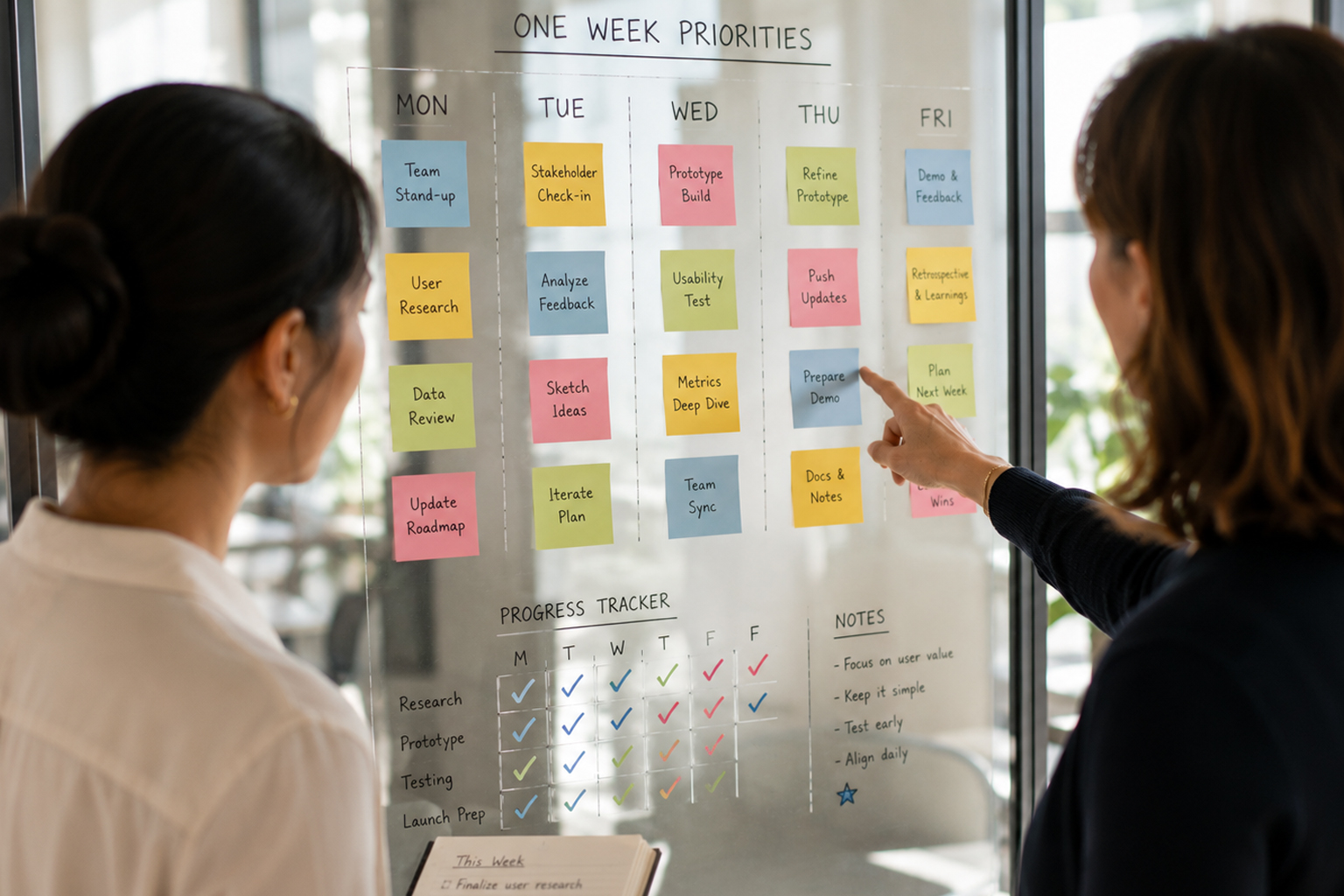
Consistently moving forward in your career often comes down to what you achieve each week. Small, targeted wins compound into visible progress over months and years. Focusing on a few meaningful priorities each week reduces overwhelm and increases momentum. This article outlines practical ways to structure weekly work so that progress is steady and intentional.
Plan Weekly Priorities
Start by selecting two to four high-impact tasks to complete each week, aligned with longer-term goals. Clear priorities create guardrails for decision making and help you say no to low-value work. Use a simple framework to rate tasks by impact and effort so you can choose wisely. Planning intentionally at the start of the week reduces reactive work and preserves focus.
- Impact on skills or visibility
- Effort required and time availability
- Alignment with quarterly objectives
Revisit your priorities midweek and adjust as needed. Keeping your list visible across devices helps you stay on course.
Create Micro-Goals and Track Progress
Break each priority into micro-goals you can complete in one or two focused sessions. Micro-goals make progress measurable and reduce friction from task paralysis. Commit to specific time blocks and eliminate distractions during those sessions to increase throughput. Tracking what you complete each day builds a record of momentum you can review monthly.
A simple checklist is often the most effective tracker. Marking small completions creates positive feedback that sustains effort.
Leverage Accountability and Reflection
Share weekly goals with a colleague, mentor, or accountability partner to raise commitment and receive timely feedback. Schedule a brief reflection at the end of the week to note successes, obstacles, and one adjustment for the next week. Regular reflection turns experience into deliberate learning rather than accidental repetition.
Accountability accelerates progress and helps surface blind spots. Over time these conversations sharpen judgment and decision-making.
Protect Your Focus and Energy
Guarding focus is as important as choosing priorities; set boundaries around deep work times to protect productive stretches. Limit meetings during your most creative hours and communicate those blocks to stakeholders. Use short rituals to transition into focused work and end-of-day routines to close tasks cleanly. Rest, movement, and short breaks sustain attention across the week.
Respecting energy rhythms helps you produce consistent weekly outcomes. Small changes to when and how you work compound into higher-quality results over time.
Conclusion
Focusing on weekly wins converts lofty career ambitions into manageable actions. By planning priorities, breaking work into micro-goals, tracking results, and reflecting with accountability, momentum becomes repeatable. Make weekly structure a habit and your longer-term goals will follow.