







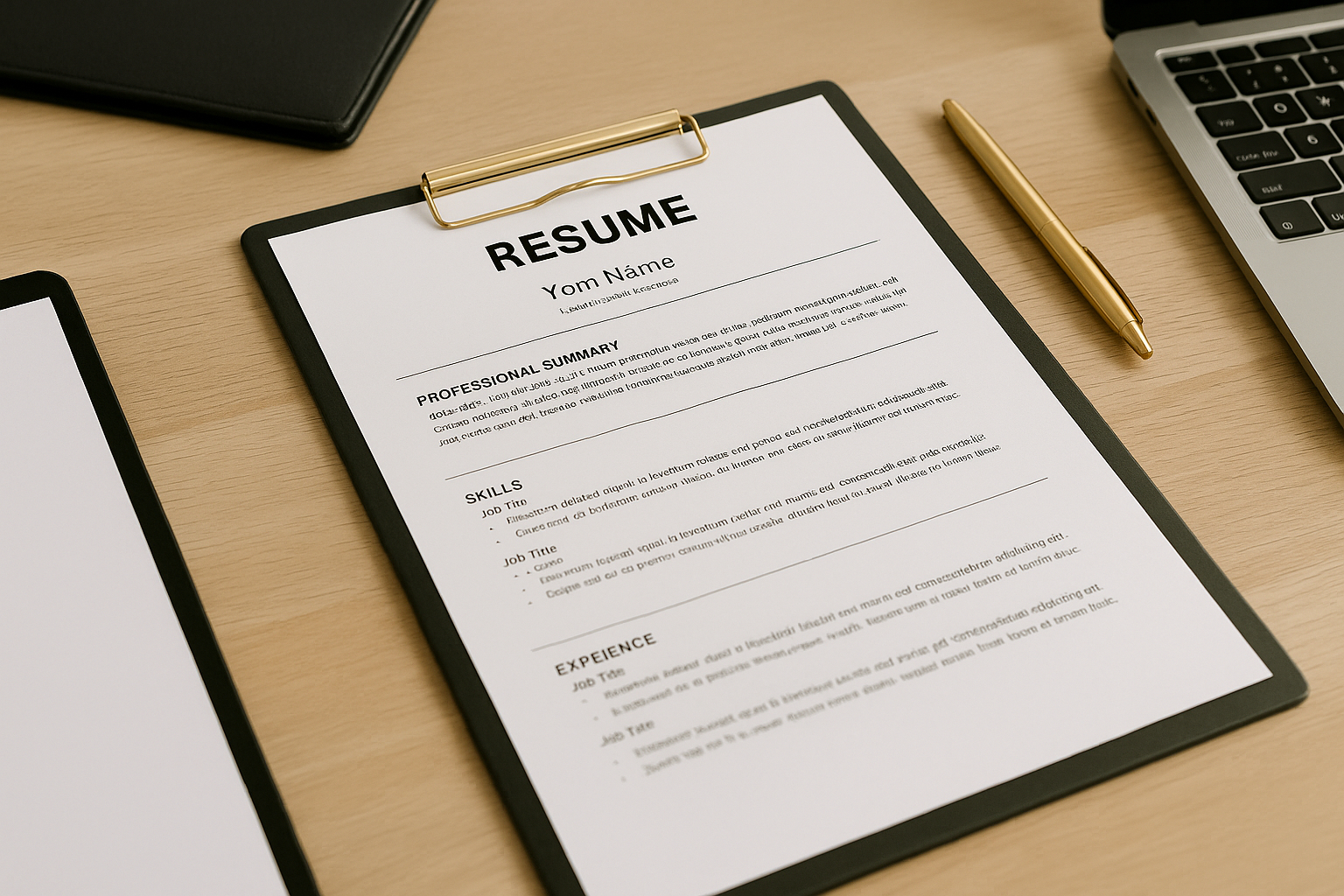
Your resume is often the first impression you make on a potential employer. While design grabs attention, content conveys your value. Striking the right balance between the two is key to standing out in a competitive job market. A beautifully designed resume might catch the eye, but it’s the substance—the achievements, skills, and clarity of presentation—that ultimately convinces recruiters you’re the right fit.
1. The Power of Strong Content
Content is the backbone of any effective resume. Recruiters spend only a few seconds scanning each application, focusing on relevant experience and measurable results. Highlighting achievements, key skills, and quantifiable impact ensures your resume communicates real value. Use clear, concise language and action-oriented verbs that demonstrate results, not just responsibilities.
2. The Role of Design in First Impressions
Good design makes your resume visually appealing and easy to read. Strategic use of white space, font hierarchy, and section organization improves readability. However, flashy graphics or overly creative layouts can distract from your message or confuse applicant tracking systems (ATS). A clean, professional design that enhances rather than overshadows content is ideal.
3. Balancing Aesthetics and Substance
The best resumes combine strong content with thoughtful design. Use consistent formatting, readable fonts, and clear section headers. Incorporate subtle design elements—like icons or color accents—to emphasize key areas, but keep the layout simple enough for quick scanning. Remember, recruiters appreciate clarity over complexity.
4. Tailor Your Resume for the Role
A one-size-fits-all resume rarely works. Customize your resume design and content to suit the job you’re applying for. Creative roles like marketing or design may benefit from a more visual layout, while corporate or technical roles often demand a clean, structured approach. The key is aligning your presentation with industry expectations.
5. The ATS Factor: Why Simplicity Wins
Many companies use Applicant Tracking Systems to screen resumes. Overly designed templates with columns, graphics, or non-standard fonts may not parse correctly. To ensure your resume passes this first test, use simple formatting and standard headings like “Experience” and “Skills.” Save the design flair for the PDF version you send directly to hiring managers.
Conclusion
In the debate between design and content, content always takes the lead—but design helps deliver it effectively. A visually balanced resume with strong, relevant content shows professionalism and attention to detail. When design enhances readability and content highlights achievements, your resume becomes a powerful tool that gets noticed for all the right reasons.
