






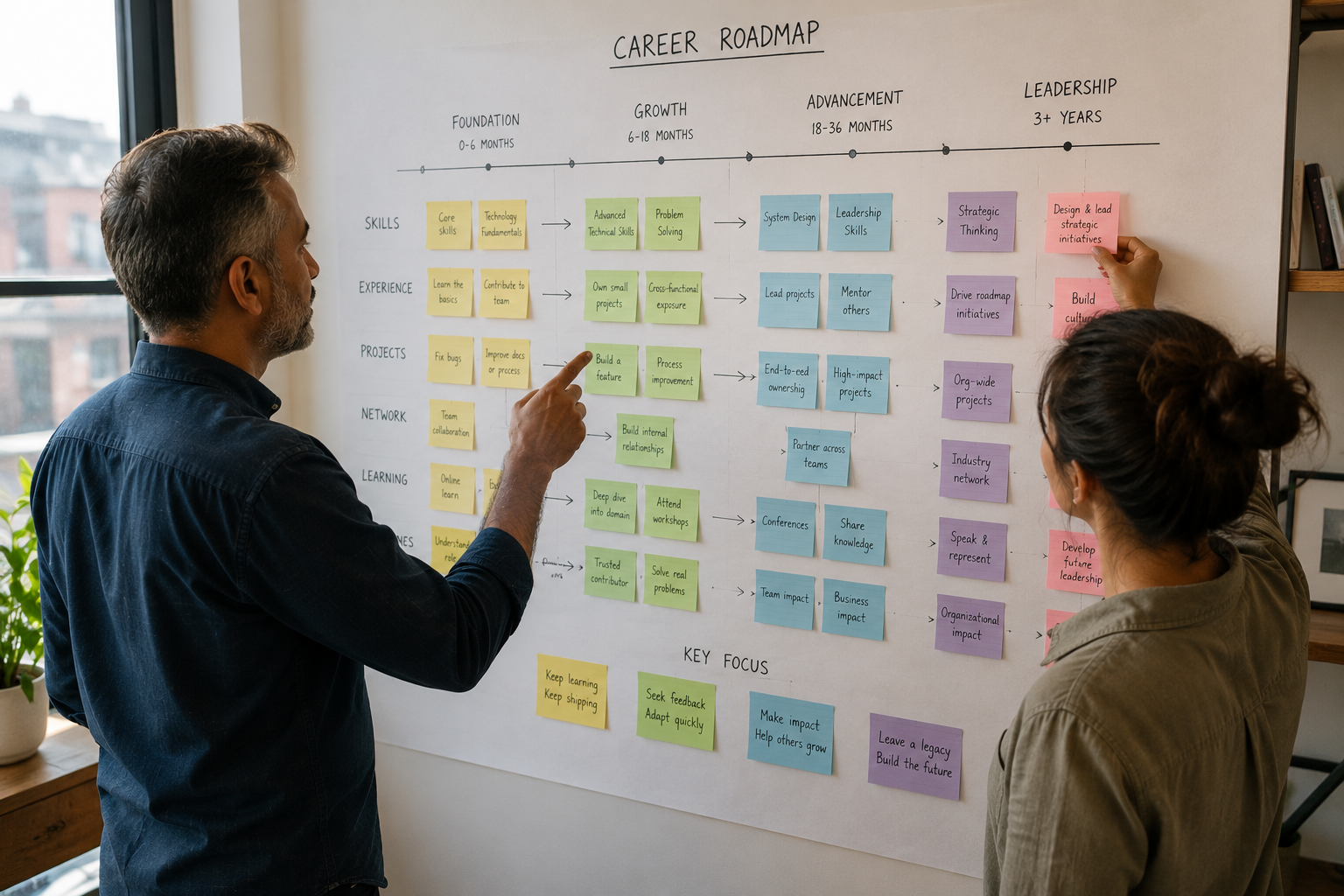
Deciding on the next career move can feel overwhelming without a clear process. This article outlines practical steps designed to help you assess options, set goals, and act with confidence. It focuses on methods that align your skills and interests with realistic market opportunities. Follow these ideas to create a structured, adaptable plan that grows with you.
Assess Your Strengths and Interests
Start by conducting an honest skills inventory and reflecting on the tasks that energize you. List technical abilities, transferable skills, and personal strengths, then match them to roles where those abilities are valued. Consider feedback from peers or mentors to spot blind spots and opportunities for growth.
Use short experiments such as freelancing, volunteering, or part-time projects to validate your assessment. These low-risk trials help confirm which abilities you enjoy using in real work settings.
Explore Market Opportunities
Research industries and roles that are hiring and where your skills can make an impact. Look at job postings, professional networks, and industry reports to identify trends and common requirements. Pay attention to growth areas where your background could be a differentiator.
Create a shortlist of 2–4 target roles and map the gaps between your current profile and what employers seek. This focused shortlist will guide efficient skill development and networking efforts.
Build a Focused Development Plan
Turn your findings into a timeline with clear milestones and resources. Prioritize high-impact activities like targeted courses, certifications, or portfolio projects that demonstrate relevant capabilities. Set weekly and monthly goals that are specific, measurable, and time-bound.
- Identify one core skill to improve each quarter.
- Create a project that showcases that skill publicly.
- Schedule networking outreach and informational interviews.
Regularly review progress and adjust the plan as you gain clarity. Treat the plan as a living document that evolves with new information and experiences.
Maintain Momentum and Adapt
Consistent, small actions compound into meaningful career shifts over time. Maintain momentum by tracking wins, maintaining accountability with a peer or coach, and celebrating milestones. Be prepared to pivot when opportunities or personal priorities change.
Keep learning and stay curious: market needs evolve, and adaptability increases your resilience. Regular reflection helps ensure your path remains aligned with long-term aims.
Conclusion
Approach your next career move as a series of deliberate steps rather than a single leap. Assess, research, plan, and act with feedback loops built into every stage. With consistency and focus, you can shape a career trajectory that fits both your skills and aspirations.