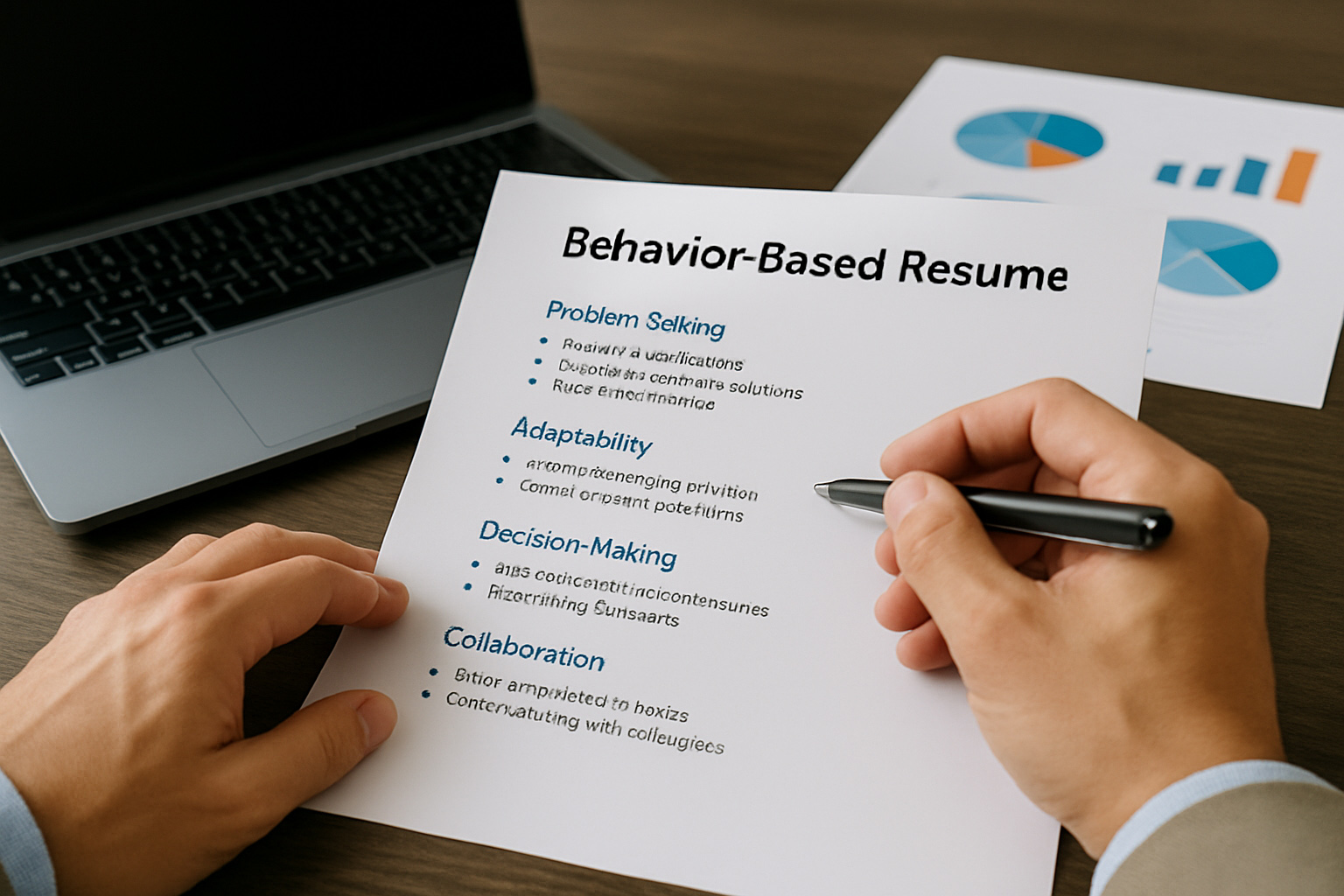
The job market is shifting, and employers today want more than a list of titles, duties, or years of experience. They want to understand how people think, solve problems, and make decisions. Behavior-based resumes are rising as a modern format that highlights thought processes, work styles, and core behaviors that drive real results. Instead of focusing only on past roles, these resumes reveal the mindset behind your success—helping employers see your true potential.
Highlighting Problem-Solving Over Task Lists
Traditional resumes often rely on bullet points describing tasks performed. In contrast, behavior-based resumes focus on how you approach those tasks. Did you analyze a challenge? Did you collaborate to find solutions? Did you anticipate issues before they escalated? By demonstrating how you think, you show employers the deeper value you bring beyond basic job functions.
Making Your Work Style Visible
Communication, adaptability, initiative, and emotional intelligence are now critical skills. Behavior-based resumes make these qualities visible by describing the behaviors that contributed to outcomes. This helps employers understand how you operate in real situations—how you learn, how you collaborate, and how you respond to pressure—offering a clearer picture of your fit within the team.
Showing Growth Through Decision Patterns
Patterns of decision-making reveal much about professional growth. A behavior-based resume shows how your judgment has matured, how you evaluate trade-offs, and how you handle uncertainty. Employers gain insight into your ability to make sound, thoughtful choices, especially in roles where complexity or ambiguity is part of the job.
Aligning with Modern Hiring Practices
Many organizations are shifting toward behavioral interviews and assessments. A behavior-based resume aligns naturally with these methods, making it easier for hiring managers to connect your experience with what they are evaluating. When your resume already communicates behaviors clearly, your interview becomes more fluid and intentional.
Conclusion
Behavior-based resumes shift the focus from what you did to how you think. By articulating your problem-solving style, emotional intelligence, and approach to new challenges, you present a more complete picture of your professional identity. This modern resume format helps employers recognize your long-term potential—not just your past achievements.