

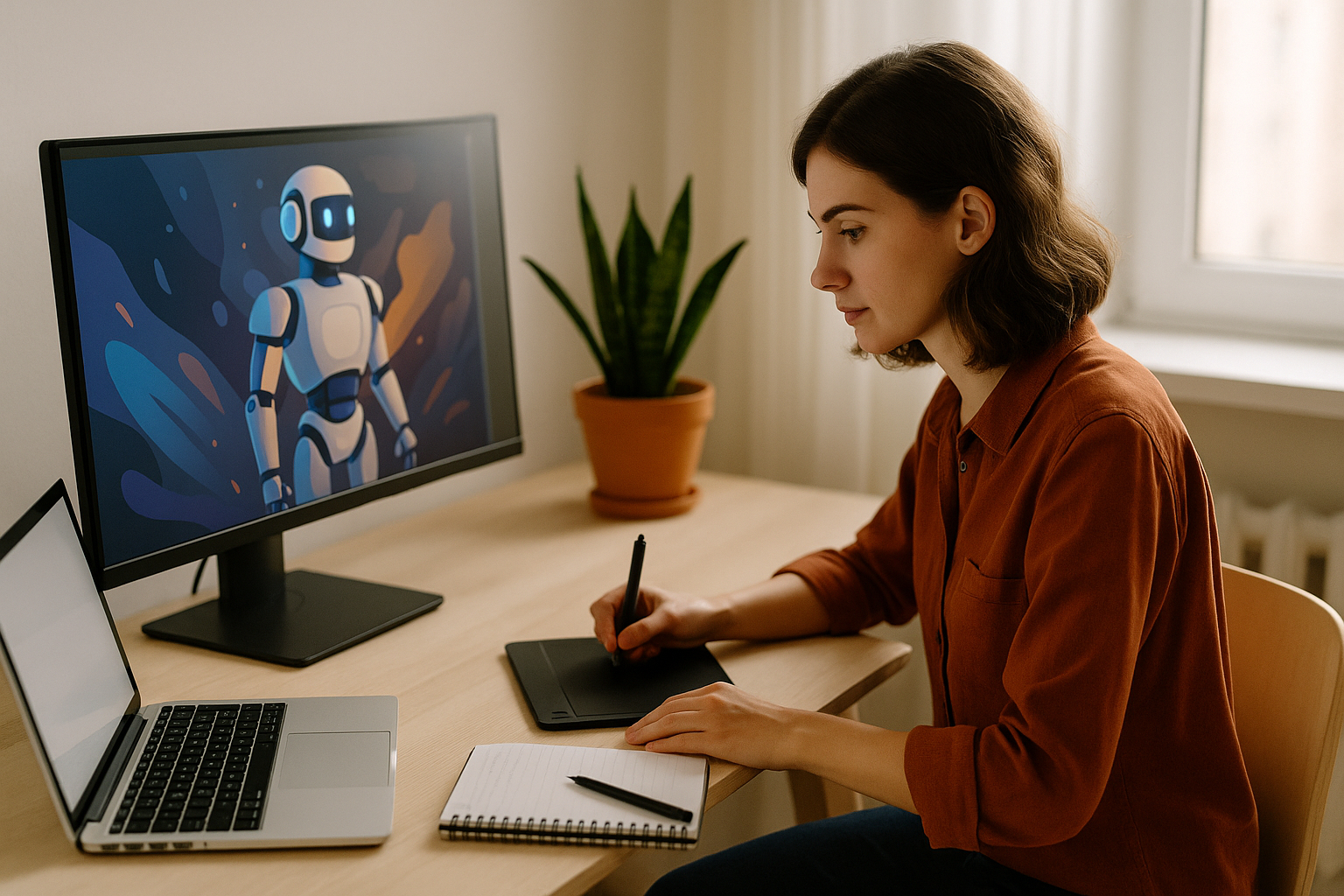
As automation and artificial intelligence continue to reshape industries, many worry about machines replacing human jobs. Yet creativity remains one domain where humans still hold a unique edge. While technology can automate routine tasks, it cannot replicate imagination, emotion, or original thought. In fact, the rise of automation is opening new doors for creative professionals—transforming how we create, collaborate, and innovate.
The Shift from Routine to Creative Work
Automation is eliminating repetitive jobs across manufacturing, logistics, and even data-driven roles. But as machines take over predictable tasks, demand for creative and strategic skills is rising. Fields like design, marketing, entertainment, and digital media now require professionals who can think beyond the algorithm—developing original ideas, crafting compelling narratives, and envisioning experiences that connect emotionally with people.
Technology as a Creative Partner
Rather than replacing creativity, automation is becoming a creative partner. Tools powered by AI, such as generative design software, video-editing algorithms, and digital art platforms, help creators work faster and smarter. Graphic designers can now use AI to generate multiple design variations instantly, while musicians and filmmakers leverage technology to streamline production. The result? More time for ideation, storytelling, and innovation.
Emerging Career Paths in the Creative-Tech Intersection
New hybrid roles are emerging at the intersection of creativity and technology. Careers such as UX designers, digital content strategists, and AI-driven visual artists are in high demand. Even traditional creative fields—like writing, illustration, and photography—are evolving with data analytics and automation tools that help professionals reach wider audiences and tailor content more effectively. The future of creative work is about combining human originality with technological precision.
Building Future-Proof Creative Skills
To thrive in this new landscape, creative professionals must embrace adaptability and lifelong learning. Understanding how automation tools work—and how to use them strategically—can amplify creative potential. Skills in design thinking, storytelling, and emotional intelligence will continue to be invaluable, as will the ability to collaborate with both people and machines.
Conclusion
Automation isn’t the end of creativity—it’s its next evolution. By blending technology with human imagination, creative professionals can redefine what’s possible in art, media, and innovation. The future belongs to those who see automation not as competition, but as a catalyst for more powerful, expressive, and meaningful creative work.
