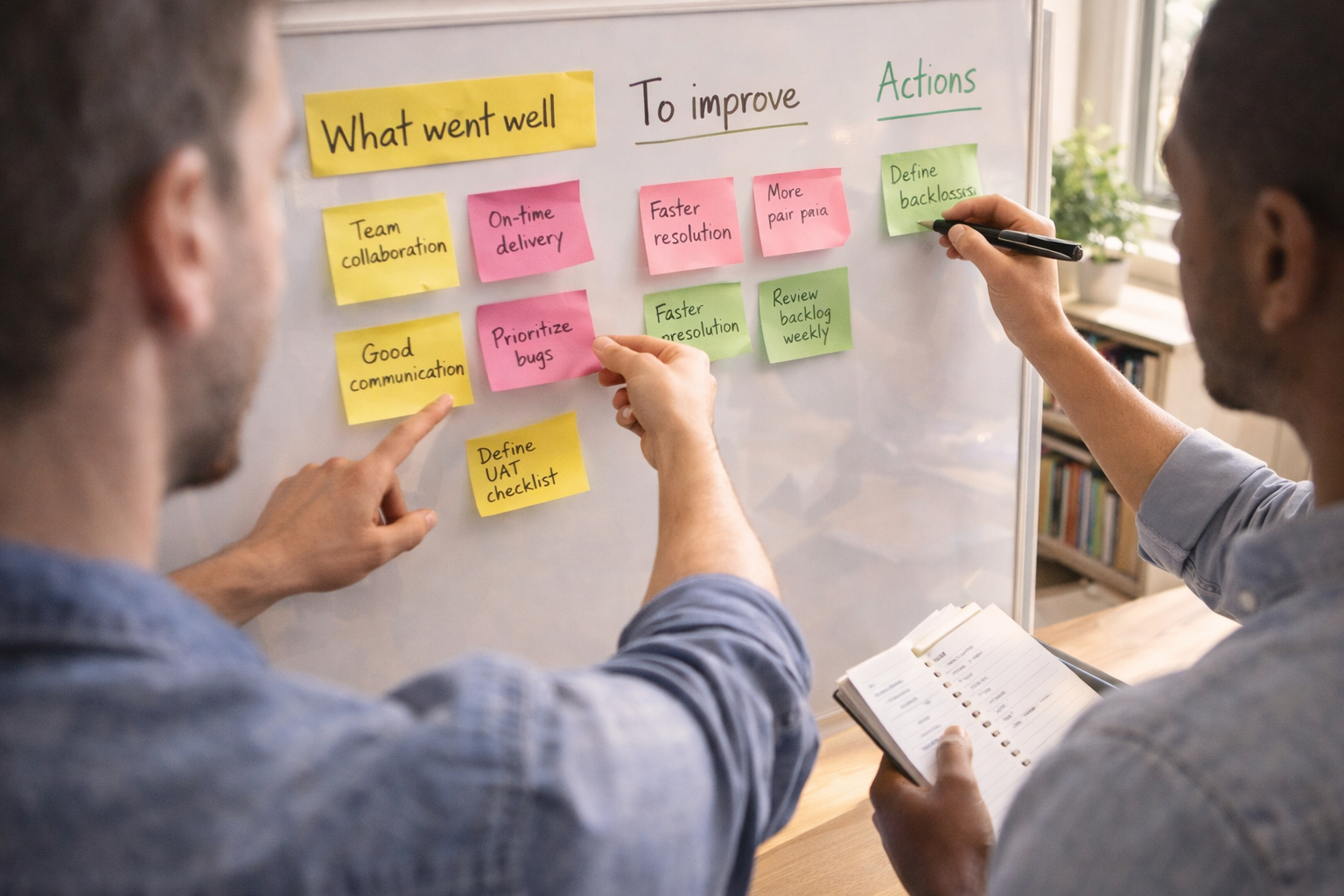
Teams that practice continuous feedback gain clarity on expectations and faster course correction.
Consistent, timely input helps people adjust behavior before small issues become entrenched patterns.
When feedback is framed constructively and shared regularly, it strengthens trust and collaboration.
This article outlines practical steps managers can use to normalize feedback and track its effects and sustain improvement.
Benefits of regular feedback
Regular feedback accelerates learning by providing immediate, actionable insights into performance. It reduces uncertainty about priorities and improves alignment between individual work and team goals. Frequent conversations also reveal barriers early, enabling faster problem solving. Over time, a feedback-rich culture builds psychological safety that encourages initiative. It also shortens feedback loops that stall projects.
Leaders who model this behavior signal that improvement is expected and supported. The result is better engagement and clearer development paths.
Practical ways to implement
Start with small, structured routines that make feedback predictable rather than sporadic. Use brief one-on-ones, project retrospectives, and peer-to-peer check-ins to create multiple channels of input. Teach teams to focus on observable behaviors and outcomes rather than personal traits. Encourage questions that clarify intent and impact.
- Schedule concise weekly one-on-ones
- Use a simple feedback template (situation, behavior, impact)
- Rotate facilitation of retrospectives to build skill
Training and role modeling are essential so feedback becomes a skill, not a judgment. Reinforce positive changes with recognition. Set simple norms so expectations are clear from day one.
Handling resistance and tone
Resistance is often rooted in fear of criticism or uncertainty about how to respond. Address this by setting expectations about purpose—improvement, not punishment—and by coaching people in receiving feedback. Normalize two-way dialogue where managers also solicit input on their own performance. Keep language specific and forward-looking to reduce defensiveness. Modeling calm, curious inquiry helps reshape conversations.
Over time, transparency lowers anxiety and increases willingness to act. Patience matters, as cultural shifts follow repeated, consistent practice.
Measuring impact
Track simple indicators such as time to resolve issues, participation in feedback routines, and reported clarity in goals. Use pulse surveys and follow-up conversations to connect feedback activity with perceived improvements. Avoid overcomplicating metrics; qualitative examples often reveal the most meaningful change. Capture short success stories to illustrate practical change.
Regularly review what’s working and adjust the approach. Measurement keeps the practice intentional rather than performative.
Conclusion
Continuous feedback transforms how teams learn and adapt.
Start small, be consistent, and model the behavior you want to see.
Over time those habits create clearer expectations, stronger trust, and better outcomes.