

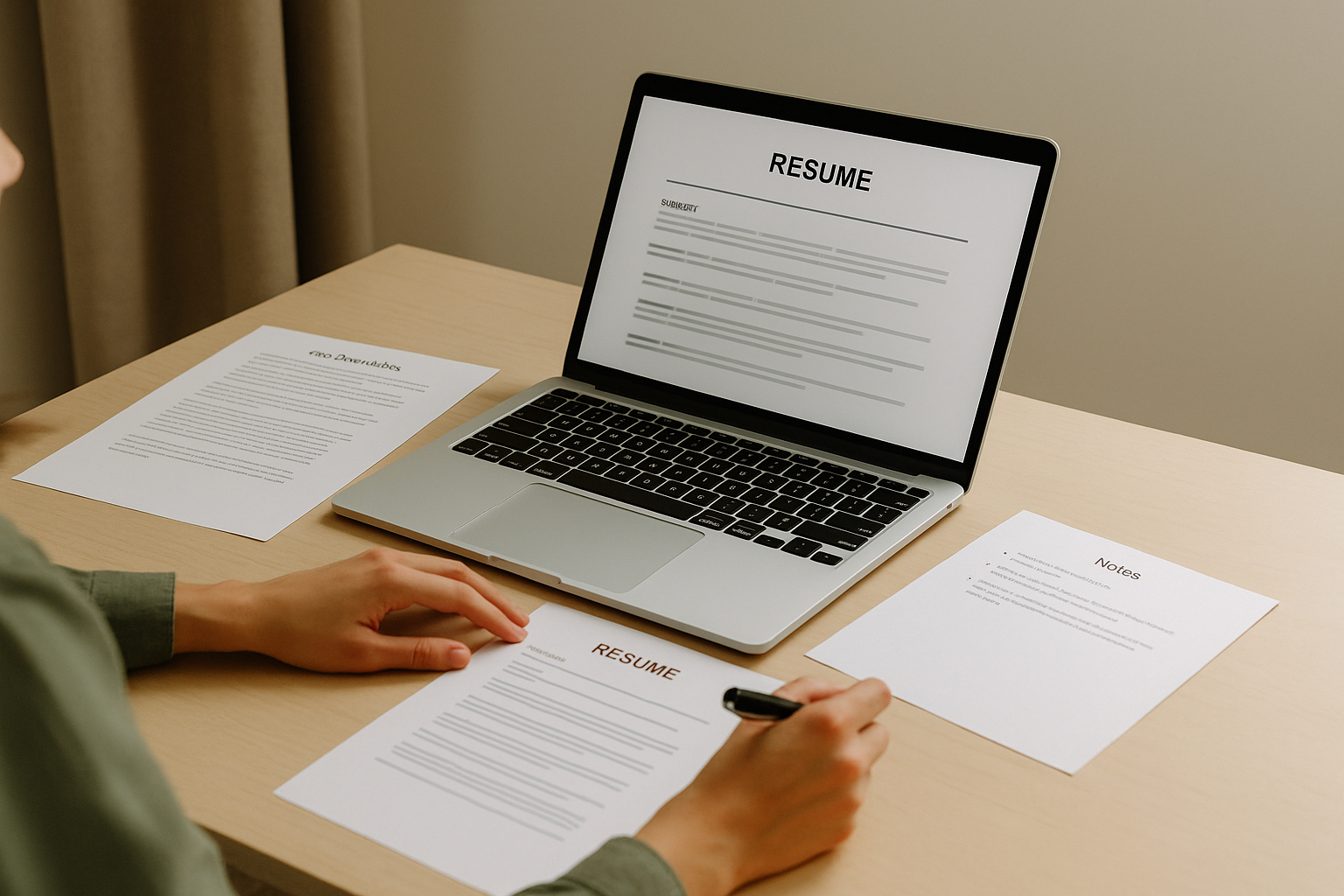
In today’s competitive job market, a generic resume just doesn’t cut it. Recruiters can spot a one-size-fits-all document instantly—and it rarely makes it past the first round. Tailoring your resume for each position not only demonstrates genuine interest but also shows that you understand the company’s needs. With the right strategy, customizing your resume can dramatically increase your chances of landing interviews.
Start with the Job Description
The job posting is your roadmap. Read it carefully and highlight keywords—specific skills, qualifications, and responsibilities the employer emphasizes. Pay close attention to repeated phrases like “project management,” “data analysis,” or “customer engagement.” These are cues to what matters most. Incorporate these exact terms naturally into your resume, especially in your summary, skills, and experience sections, to align with what the recruiter and Applicant Tracking System (ATS) are looking for.
Customize Your Professional Summary
Your professional summary sets the tone for the entire resume, so tailor it for each job. Instead of a generic statement, craft a concise 3–4 line overview that matches the employer’s priorities. For example, if you’re applying for a marketing role, highlight measurable results like “Increased brand engagement by 30% through data-driven campaigns.” Keep it focused, relevant, and reflective of the position’s requirements.
Align Experience with Employer Needs
Your work history should tell a story that fits the job you’re applying for. Reorder bullet points under each role to emphasize achievements most relevant to the new position. If the job calls for leadership, place examples of team management or mentoring first. Quantify results whenever possible—numbers, percentages, and metrics make your accomplishments more concrete and credible.
Highlight Transferable Skills
Even if you’re switching industries or roles, many skills transfer across contexts. Problem-solving, communication, and adaptability are universal strengths, but tie them directly to the job at hand. For instance, instead of simply stating “strong communication skills,” write “led client presentations to secure a 15% increase in renewal contracts.” Always connect your skills to measurable impact.
Don’t Forget the Formatting Details
Tailoring isn’t just about content—it’s about presentation. Keep your layout clean and easy to read, ensuring the most relevant details appear near the top of the page. Rename sections strategically (e.g., “Project Leadership” instead of “Experience”) to mirror language in the job description. A well-organized format signals professionalism and attention to detail.
Conclusion
Every job application deserves a resume that speaks directly to it. By tailoring your summary, highlighting relevant experience, and mirroring the employer’s priorities, you transform your resume from a list of tasks into a targeted pitch. Personalization shows effort—and in hiring, effort stands out. The more precisely you match your resume to the job, the closer you’ll be to hearing, “You’re exactly who we’ve been looking for.”
