

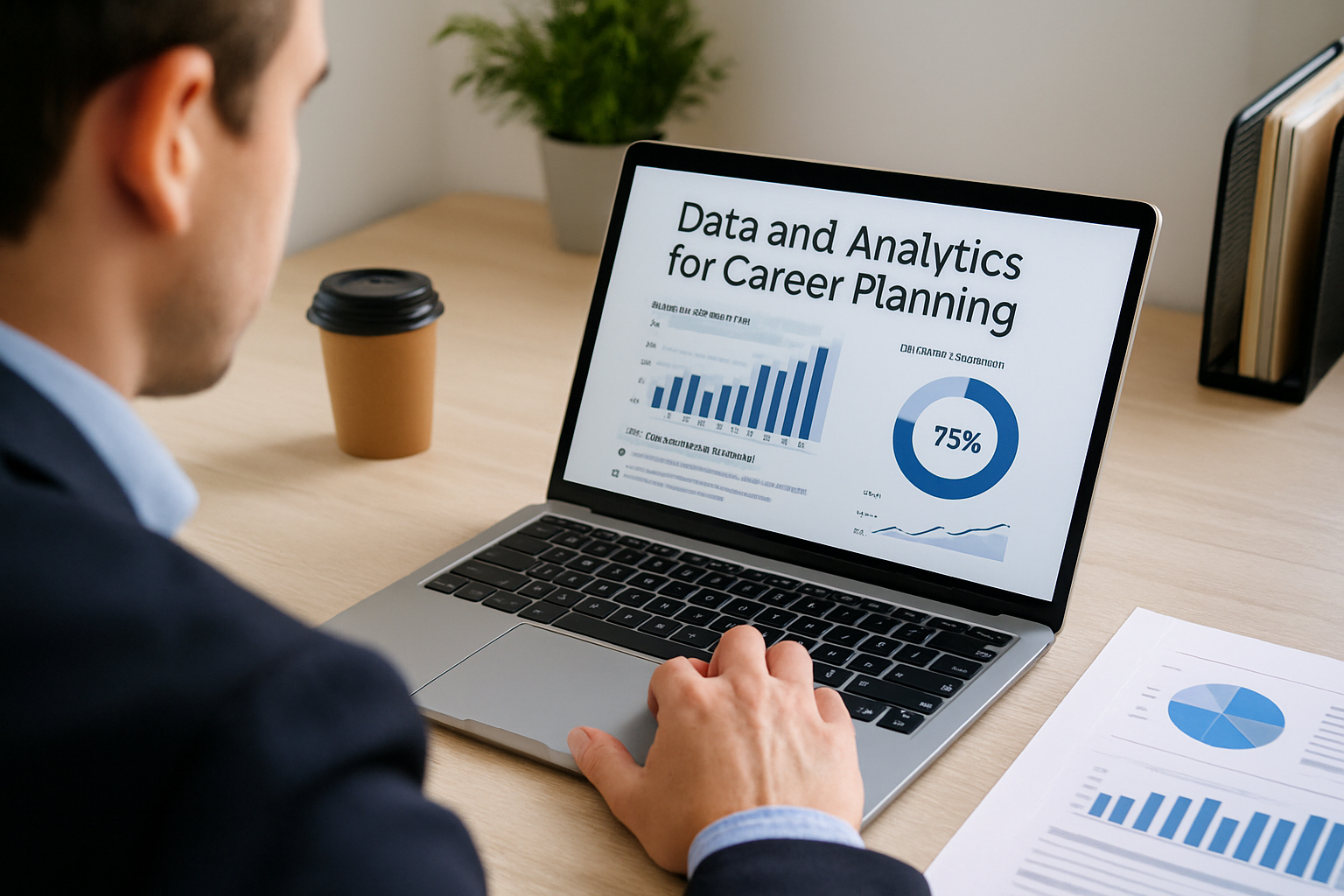
Career planning has become more dynamic than ever, and relying solely on intuition is no longer enough. With rapidly changing job markets, evolving skill demands, and new technological roles emerging each year, data and analytics offer powerful tools to guide smarter career choices. By using insights based on trends, performance patterns, and labor forecasts, individuals can make clearer, more confident decisions about their professional paths. Data-driven planning helps eliminate guesswork and provides a structured way to move toward long-term goals.
How Data Helps Identify the Right Career Path
Analyzing job market trends gives a clearer picture of which roles are growing and what skills are most in demand. Instead of choosing a career based on preference alone, individuals can look at projected salary ranges, industry growth, and long-term stability. These insights highlight opportunities aligned with both personal interests and future security. By connecting data with goals, career planning becomes more strategic and grounded.
Using Analytics to Assess Personal Strengths
Self-assessment tools powered by analytics help individuals understand their abilities more accurately. These tools interpret patterns in performance, learning style, and personality to identify strengths that fit specific career paths. Students and professionals can use these insights to refine skill-building efforts and make decisions that leverage their natural talents. Data-backed reflections lead to more aligned choices and better long-term career satisfaction.
Forecasting Career Outcomes With Real-Time Insights
Data platforms and workforce analytics provide real-time information about hiring trends, required competencies, and emerging roles. These insights help professionals anticipate industry shifts and prepare for future demands. Whether transitioning careers or advancing within a current field, staying updated with data ensures choices remain relevant. This forward-looking approach gives individuals a competitive edge in fast-changing environments.
Supporting Skill Development With Precision
Analytics highlight skill gaps and recommend targeted learning paths. Instead of guessing which courses or certifications are worthwhile, individuals can rely on data to pinpoint high-value skills. This makes upskilling more efficient and cost-effective. Career platforms often provide tailored recommendations that align with market needs, ensuring that time and effort are invested wisely.
Conclusion
Using data and analytics transforms career planning into a more informed and strategic process. By understanding market trends, assessing personal strengths, and forecasting future opportunities, individuals can navigate their careers with greater clarity and confidence.
