







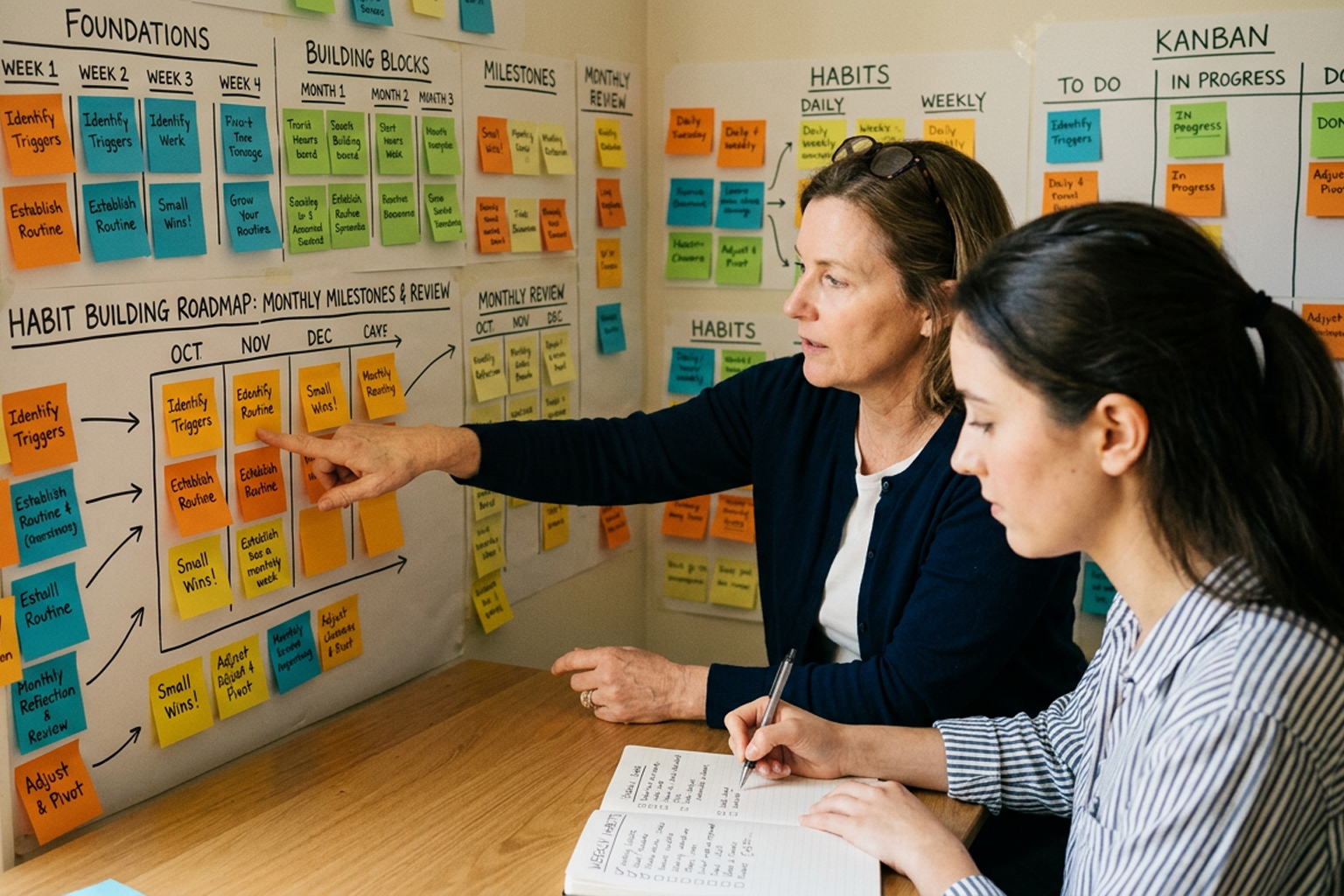
Building reliable career planning habits turns long-term aspirations into manageable steps. Regular reflection, targeted skill development, and simple tracking methods keep momentum steady. Establishing routines early reduces decision fatigue and highlights leverageable strengths. This piece outlines practical actions you can adopt to plan with clarity and adaptability.
Assessing Strengths and Priorities
Begin by inventorying your skills, interests, and professional accomplishments to create a grounded view of where you add value. Compare these strengths against the roles and responsibilities you enjoy most to clarify priorities. Include feedback from peers or mentors to catch blind spots and confirm emerging interests. A realistic assessment anchors planning and prevents chasing misaligned opportunities.
Set clear short-term priorities that reflect both capability and motivation. Choose two to three focus areas to avoid scattered effort and to build visible progress over weeks.
Mapping Skills to Roles and Opportunities
Translate your strengths into a list of roles, projects, or industries where those skills are in demand. Research typical requirements and day-to-day expectations so you can identify skill gaps and reasonable timelines. Use informational interviews, job descriptions, and learning roadmap resources to shape a practical path. This mapping turns abstract goals into specific targets you can pursue.
- Identify one adjacent role you can move into within 6–12 months.
- List three concrete skills to develop that make you more competitive for that role.
With a mapped target, choose focused learning activities that align with job realities. Prioritize depth in a few capabilities over shallow familiarity across many.
Building a Flexible Action Plan
Create a lightweight action plan with monthly milestones and weekly tasks to make steady progress without overwhelm. Include measurable indicators—completed courses, portfolio items, networking conversations—that demonstrate momentum. Schedule short review sessions to adjust priorities and timelines, keeping the plan responsive to new information. Flexibility allows you to capitalize on unexpected opportunities without abandoning long-term direction.
Automate reminders and use a simple tracking tool to sustain habits. Small, consistent steps compound into significant career shifts over time.
Conclusion
Effective career planning is a habit, not a one-time project. Start small, track progress, and refine your plan regularly. Over months, consistent effort will shape meaningful growth and clearer choices.
