







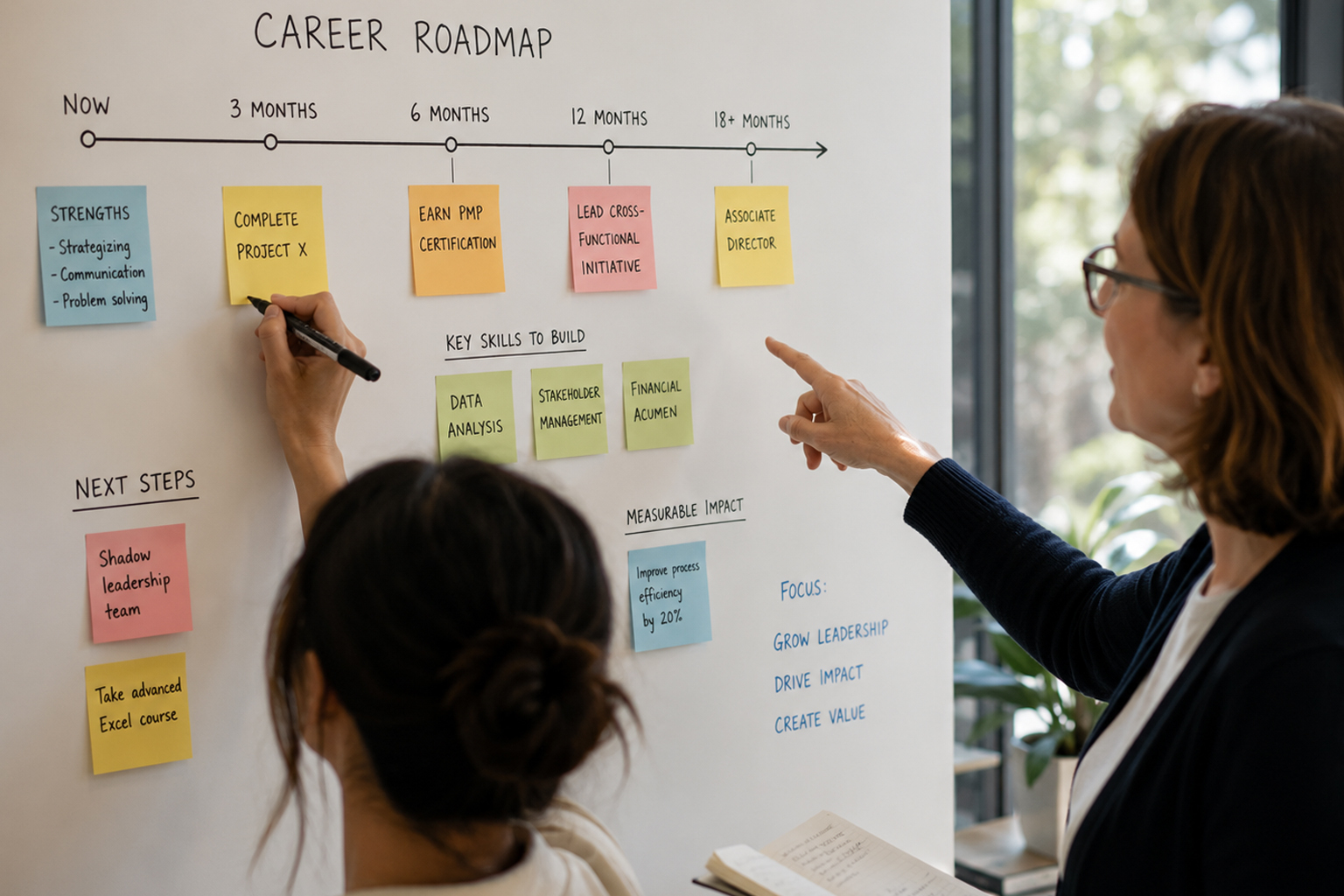
Planning a career that keeps you growing requires clarity, a focused direction, and small, consistent actions. Rather than a single grand plan, sustainable momentum comes from mapped habits, measurable milestones, periodic reflection, and timely course corrections. This article outlines practical steps to convert values and skills into an adaptable career plan that you can update as you learn. Use these approaches to maintain steady progress and respond to changing opportunities without losing sight of what matters most.
Clarify priorities and define meaningful goals
Begin with an honest inventory of your values, strengths, interests, and non-negotiables so your plan supports both growth and satisfaction. Prioritize two or three themes that align with long-term aspirations and everyday energy levels. Translate those themes into specific, timebound goals with clear success criteria and measurable outcomes. Use simple tools like lists, a one-page roadmap, or a goal tracker to keep these targets visible and actionable. Collect feedback from peers or mentors to validate your priorities and refine them based on real-world insight.
Keep your focus list intentionally short and revisit it regularly to avoid overwhelm. Small, clear priorities make decision-making faster and reduce career drift.
Translate skills into concrete milestones
Break core skills into observable outcomes such as projects, presentations, certifications, or new responsibilities that demonstrate growth. Create milestones that stretch you but remain achievable within months rather than years to preserve momentum. Assign metrics and estimated time commitments to each milestone so you can measure progress objectively. Build a simple skill map or portfolio that ties tasks to evidence of competence and helps you communicate growth to others. Treat each milestone as a learning cycle: attempt, reflect, adjust, and document the result.
Celebrate small wins and capture lessons to make future planning more efficient. Documenting progress turns scattered efforts into a coherent narrative that supports promotions and new opportunities.
Build review rhythms and adaptive habits
Establish regular review rhythms to evaluate progress, energy, and external signals so you can course-correct before small issues compound. Use monthly check-ins for tactical adjustments and quarterly strategy reviews to reassess priorities and market fit. Design habits that support execution: calendar blocks for focused work, recurring learning sessions, and scheduled networking or feedback meetings. Consider accountability mechanisms such as an accountability partner, coach, or digital reminders to sustain momentum. Over time, these routines compound into predictable forward motion.
Make adjustments deliberately rather than reacting to every new opportunity. A steady rhythm of action, review, and refinement creates durable career growth.
Conclusion
A concise set of priorities, measurable milestones, and a steady review rhythm create sustainable career momentum. Start with one focused goal and build the supporting habits around it to make progress visible and repeatable. Consistency, documentation, and thoughtful adaptation will keep your career moving forward.
