






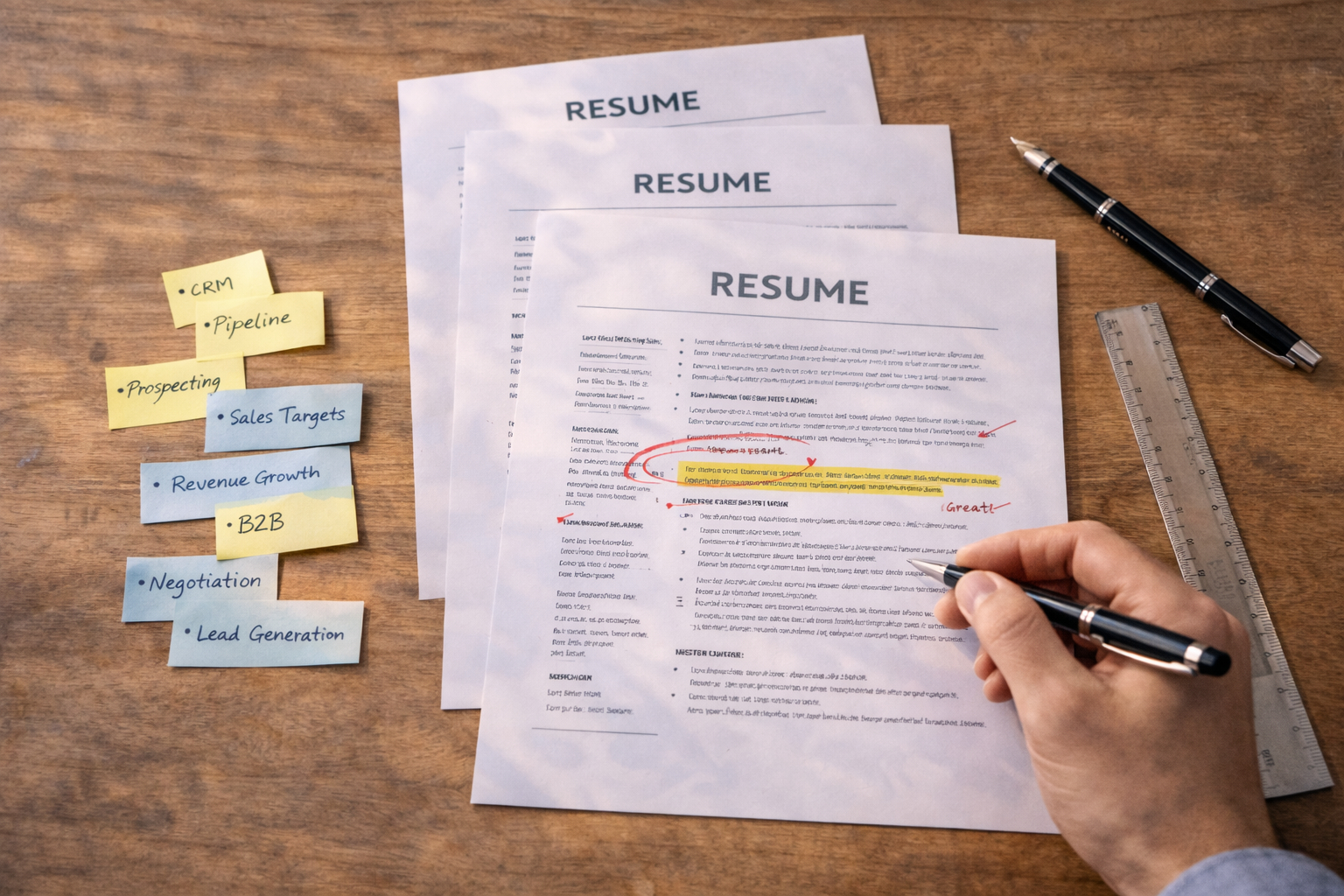
Crafting a resume that leads with what matters starts with a clear plan and an understanding of the role you want. Begin by identifying the skills and outcomes most relevant to the opening you seek and decide which experiences best illustrate them. A practical layout guides a reader’s eye from your strongest qualifications to specific, verifiable results. This piece outlines a concise structure that helps hiring managers quickly see fit and impact.
Assess Relevance Before You Write
Start by auditing your experiences and noting which projects, roles, or achievements most directly match the job description. Focus on responsibilities that produced measurable outcomes or taught skills transferable to the new position. Remove or condense details that do not support the narrative of fit and readiness. Keep sentences tight and specific to make the most of limited space.
Design a Clear Visual Hierarchy
A readable visual hierarchy helps recruiters scan efficiently and find the most important items first. Use section headings, bolded role titles, and consistent date alignment to create predictable reading patterns. White space, concise bullet points, and a single professional font reduce visual clutter and emphasize content.
– Put most relevant sections near the top, such as a summary or skills cluster.
– Keep bullets to two lines maximum and lead with action verbs and metrics.
Clear visuals support quick decisions, so standardize formatting choices across entries and test readability on different devices.
Prioritize Experience and Measurable Results
Place the strongest proof of competency where it will be read first: a summary, a top achievement, or a highlighted project. For each role, open with a one-line impact statement followed by two to four supporting bullets. Whenever possible use numbers, percentages, or concrete outcomes to convert vague claims into evidence of performance.
Tailor Keywords and Details for Each Role
Targeted resumes perform better with applicant tracking systems and human reviewers alike. Review the job posting and echo relevant terms in your summary, skills list, and experience bullets without keyword stuffing. Swap or reorder sections when applying to different roles to emphasize domain-specific skills or leadership experiences over unrelated history.
– Keep a master document with varied formulations to streamline customization.
Short, deliberate changes for each application increase relevance and improve response rates.
Conclusion
Organize your resume to tell a focused, results-oriented story that matches the role you want.
Use clear visual cues and prioritize measurable achievements to demonstrate value quickly.
A targeted layout with thoughtful customization makes your experience easier to evaluate and more likely to lead to interviews.