







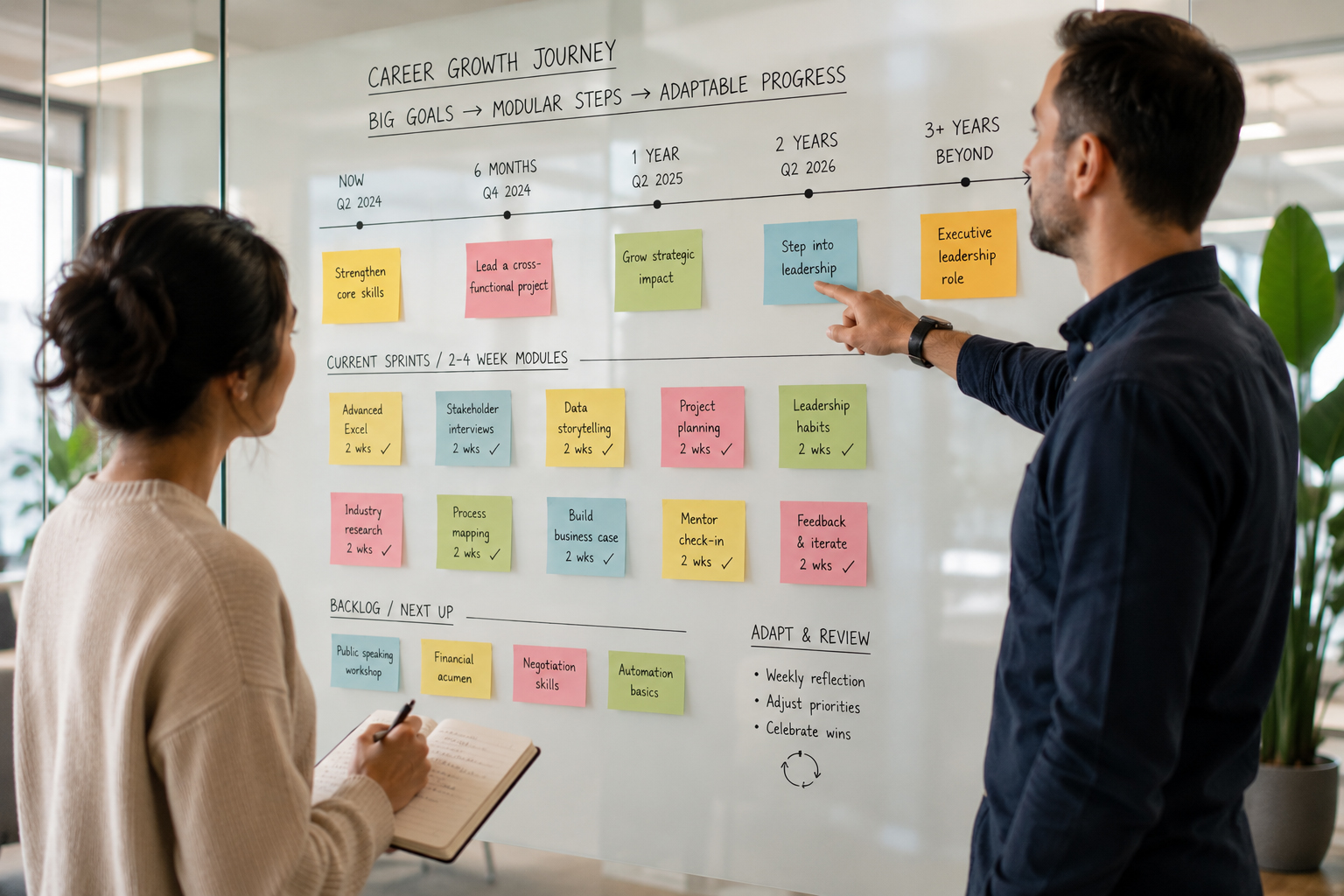
Ambition and adaptability are not opposing forces; they can work together to shape a resilient career path. When you plan with both focus and flexibility, you stay aligned with long-term goals while responding to change. This article outlines practical steps to balance clear ambition with ongoing adaptability in career planning. The guidance below helps you create a roadmap that evolves as you grow professionally.
Assess Your Strengths and Priorities
Begin by identifying the skills, experiences, and values that matter most to you. Reflect on recent successes and tasks that energized you, and list transferable strengths that apply across roles. Consider short-term needs, such as financial stability, alongside long-term ambitions like leadership or creative ownership. This mix of self-awareness and practical priorities sets the foundation for flexible planning.
Use this assessment to rank options and make realistic trade-offs. Prioritizing prevents scattered efforts and keeps your efforts focused on meaningful progress.
Translate Goals into Flexible Actions
Break goals into modular actions that can be adjusted as circumstances change. Instead of a single rigid milestone, create a series of smaller objectives that build toward the larger aim. Assign tentative timelines and checkpoints, and allow for reassessment at each stage. This approach preserves momentum while enabling course corrections when needed.
- Create 3–6 month learning sprints for skill development.
- Set experiment-based projects to test new interests.
- Define measurable indicators to judge progress objectively.
Treat each mini-objective as an opportunity to learn, not a make-or-break test. Iteration keeps your plan responsive without losing sight of your ambition.
Build Learning and Networking Habits
Consistent habits compound over time, so design routines that sustain growth even during busy phases. Schedule regular time for learning, whether micro-courses, reading, or hands-on projects that stretch capability. Cultivate a network of peers, mentors, and advisors who provide feedback and open doors to new opportunities. These habits create a safety net that supports pivoting when markets or interests shift.
- Block weekly learning sessions and reflect on takeaways.
- Reach out to one new contact monthly to broaden perspective.
Small, repeatable actions reduce friction and make adaptability practical. Over months and years, these habits translate into tangible options and momentum.
Track Progress and Pivot Strategically
Regularly review your plan against real outcomes to distinguish meaningful signals from noise. Use checkpoints to evaluate whether goals remain relevant and whether tactics are delivering results. When a pivot is necessary, choose targeted changes that preserve learned skills and relationships. Strategic pivots are informed by data, reflection, and the priorities you established earlier.
Document lessons and update your roadmap to reflect new information. This disciplined tracking ensures your ambition stays productive and your plan remains adaptable.
Conclusion
Balancing ambition with adaptability turns uncertainty into opportunity. A clear, modular plan guided by habits and reviews keeps you moving forward. Maintain focus on values while remaining open to strategic pivots.
