



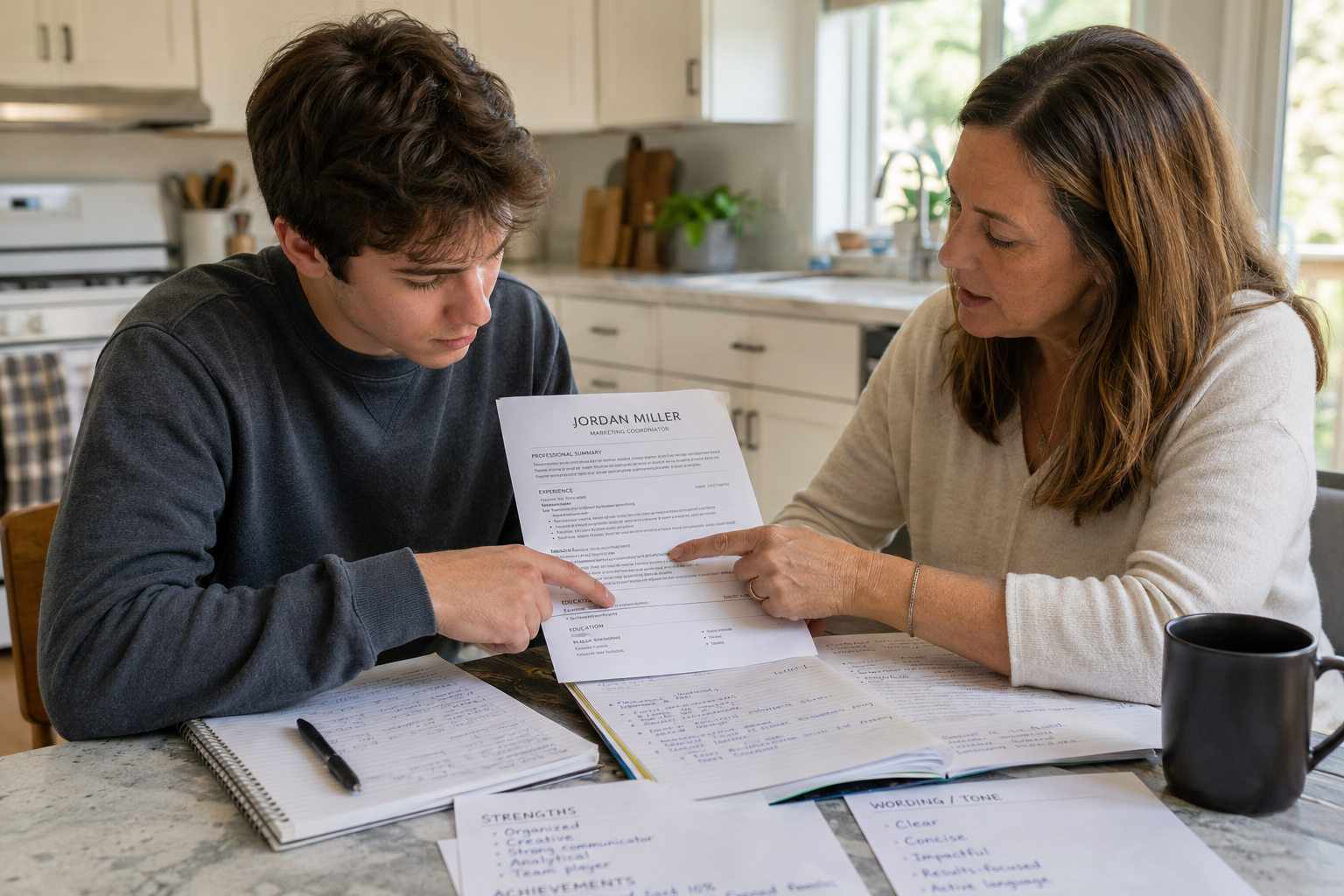
A strong resume does more than list jobs and dates. It gives hiring teams a clear view of what you can do, how you work, and why your experience matters. For many job seekers, the challenge is not finding information to include, but shaping it into a focused story. When done well, a resume can help your strengths stand out quickly and naturally.
Start With a Clear Career Focus
Before writing or revising a resume, decide what kind of role you want to support. A focused goal helps you choose the most relevant experiences and leave out details that do not serve your message. This does not mean every resume must be identical, but it should always reflect the position you are targeting. A clear direction also makes your summary, skills, and work history feel more connected.
Think about the qualities that define your value at work. These may include communication, problem-solving, organization, leadership, or technical knowledge. Once you identify them, look for moments in your background that prove those strengths in action. The most effective resumes connect ability with evidence.
Use Strong Language and Specific Examples
Generic descriptions can make even an experienced candidate seem less compelling. Instead of listing duties, describe results and responsibilities in a way that shows progress. Verbs such as improved, coordinated, created, or streamlined can make your experience sound more active and precise. Specific language helps the reader understand not only what you did, but how you contributed.
Whenever possible, include details that add context. You might mention the size of a project, the type of team you supported, or the process you helped refine. These small additions make your resume more credible and memorable. They also help show that your strengths were useful in real settings, not just listed as traits.
Make Formatting Work for Your Message
Good resume formatting should guide the reader, not distract them. Use section headings that are easy to scan and keep bullet points concise and consistent. White space, alignment, and simple design choices can make the document easier to read on both screens and printed pages. A polished layout supports your content and signals attention to detail.
It also helps to place the most relevant information near the top. If a skill, certification, or accomplishment is especially important for the role, make sure it is easy to find. Recruiters often spend only a short time reviewing each resume, so structure matters. A clean format gives your strongest points a better chance to be noticed.
Conclusion
A resume is most effective when it feels intentional, clear, and honest. By focusing on your strengths, using specific examples, and organizing the page well, you create a document that works harder for you. Small improvements can make a meaningful difference in how your experience is understood. With thoughtful writing, your resume can present a stronger professional story.