






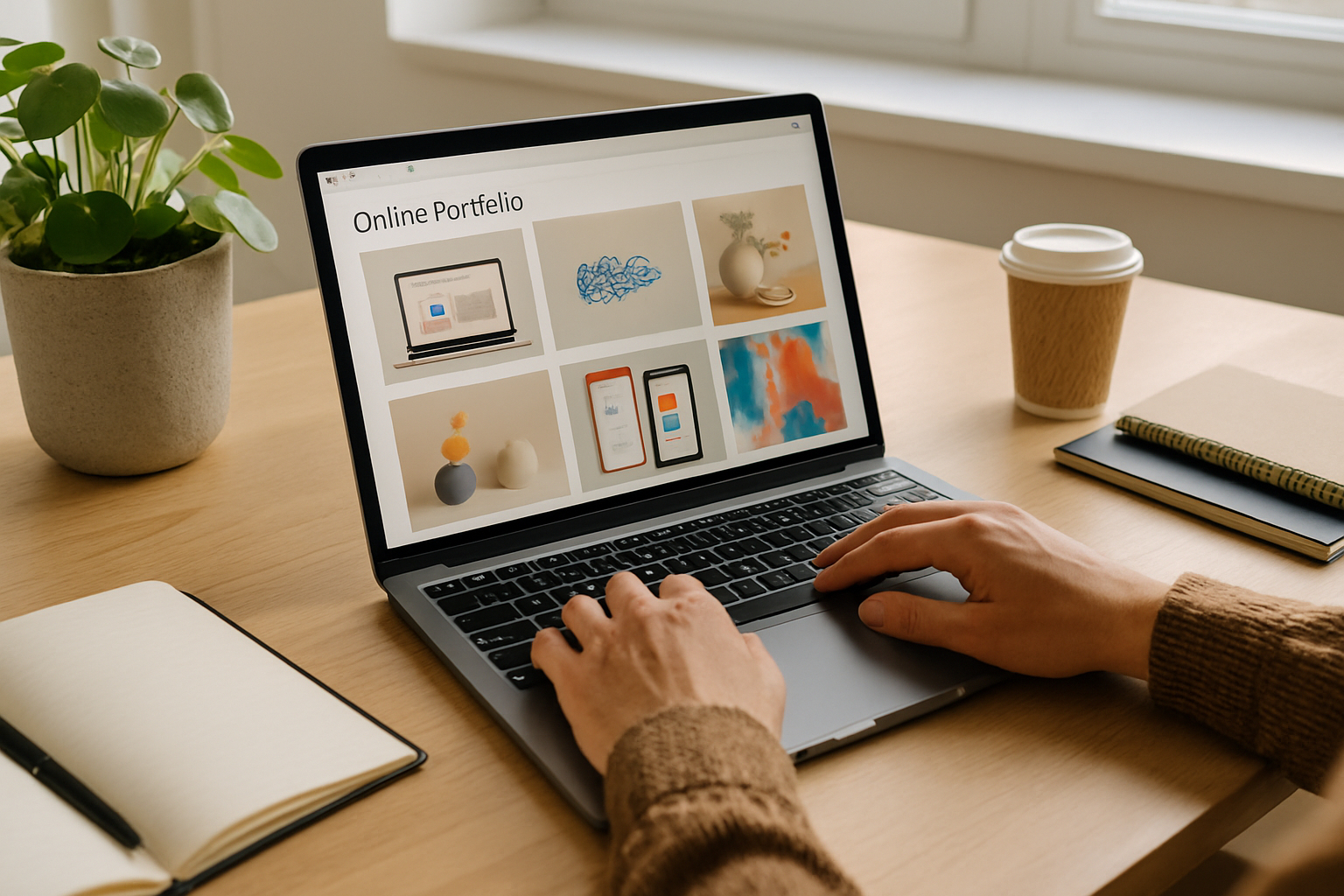
Your online portfolio is often the first impression potential clients or employers get of your work. Whether you’re a designer, writer, developer, or photographer, an effective digital portfolio can showcase your talent and credibility. But many professionals overlook small details that make a big difference. Knowing what to include—and what to avoid—can help you stand out in a crowded online space.
Do: Showcase Your Best Work, Not All Work
Quality always outweighs quantity. Curate your portfolio to feature only your strongest projects—those that best reflect your skills and style. Each piece should tell a story about your capabilities, creativity, and impact. Avoid uploading every project you’ve done; instead, highlight 6–10 diverse but polished examples that demonstrate your range and depth. Include brief descriptions outlining your role, objectives, and results.
Don’t: Ignore the User Experience
Your portfolio isn’t just about visuals—it’s about usability. Ensure your website is easy to navigate, loads quickly, and works seamlessly on both desktop and mobile devices. Avoid cluttered layouts or distracting animations that can frustrate visitors. Think like a recruiter or client: they should be able to find what they need within seconds. Simplicity and clarity are key to keeping viewers engaged.
Do: Add Personal Touches and Context
Your portfolio should reflect your personality as much as your professionalism. Include a short bio, professional photo, and a statement about your creative philosophy or goals. Adding context around each project—what problem you solved, what tools you used, and what outcomes you achieved—adds authenticity and depth. This makes your work relatable and helps potential employers connect with your process.
Don’t: Forget to Update and Maintain
A stagnant portfolio signals a stagnant career. Make it a habit to update your work regularly with recent projects or skills. Remove outdated samples and broken links. Refreshing your portfolio every few months keeps it relevant and shows that you are active, engaged, and growing in your field. Also, proofread everything carefully—typos or inconsistent formatting can damage credibility.
Conclusion
Your online portfolio is your digital handshake—professional, confident, and memorable. Focus on quality, clarity, and authenticity to create a lasting impression. With thoughtful design and consistent updates, it becomes not just a showcase but a reflection of your evolving expertise.