






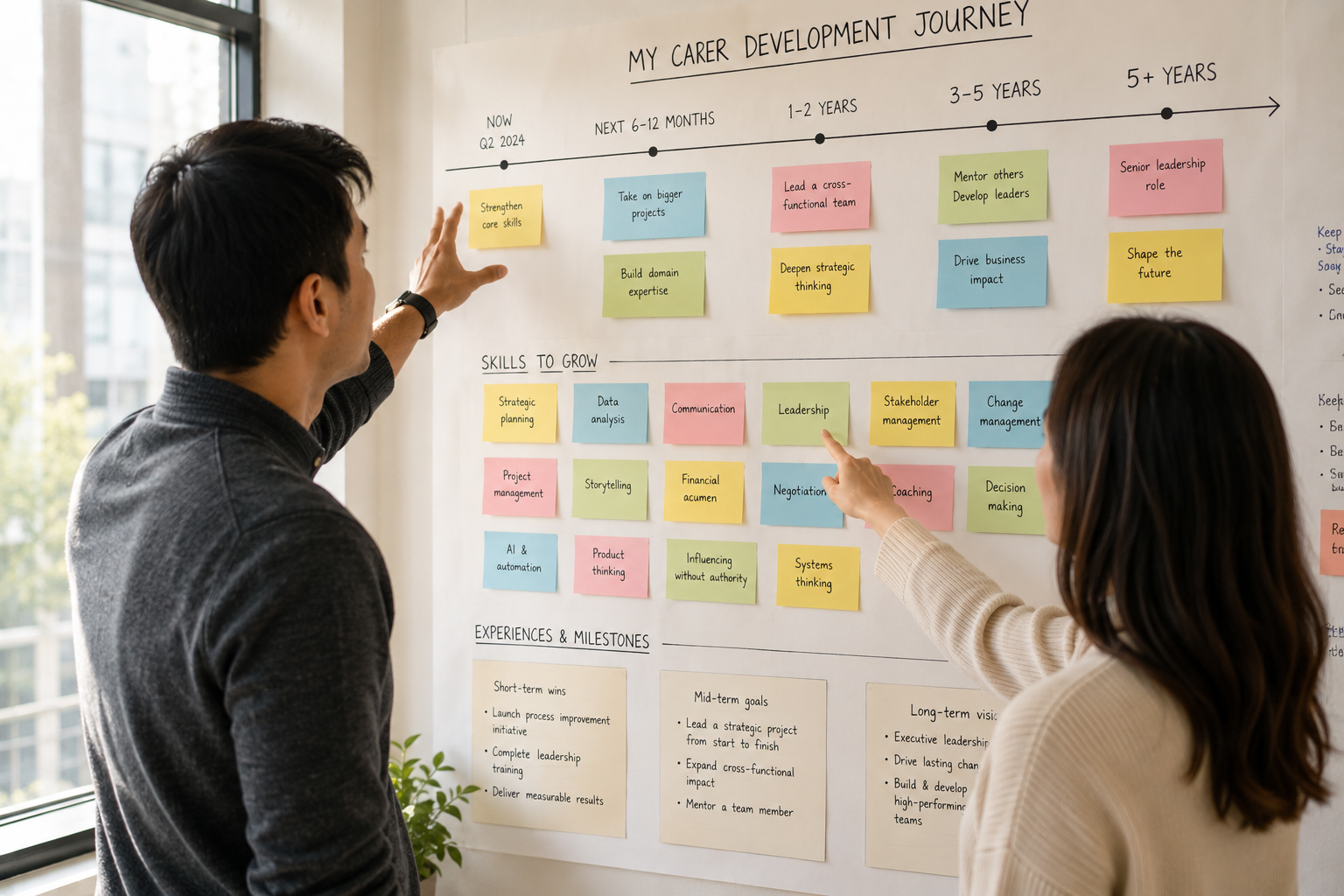
Creating a clear, long-term approach to skill development is one of the most reliable ways to make deliberate career choices. A skill map helps you see gaps, prioritize learning, and align effort with the roles you want next. This introduction outlines why mapping skills over time matters and how a practical plan can sharpen decisions. Use the framework below to turn general ambitions into specific, achievable steps.
Why a Skill Map Matters
A skill map converts vague career intentions into a visual roadmap that highlights strengths and gaps. By listing current skills and desired capabilities, you can compare where you are and where you want to go. This clarity reduces overwhelm and increases the likelihood that daily actions support long-range goals. A focused map also helps you communicate your trajectory to mentors and managers more persuasively.
Keeping the map updated anchors decisions in evidence rather than impulse. Over time it becomes a tool for measuring progress and adjusting priorities.
How to Build a Practical Skill Map
Start by identifying target roles or responsibilities you want within a two- to five-year window. Break each target into core competencies—technical, interpersonal, and strategic—that are required for success. Assess your current level for each competency honestly and add a realistic timeline for improvement. Prioritize three to five skills that will have the biggest impact on your next move.
- List target roles and required competencies.
- Rate current proficiency and set measurable milestones.
- Schedule focused learning blocks and review checkpoints.
With the map in hand, you have an actionable syllabus for development rather than a scattered to-do list.
Turning the Map Into Weekly Practice
Translate long-term goals into weekly micro-objectives that fit your schedule. Allocate regular time for deliberate practice, such as project work, focused study, or feedback sessions. Link each weekly activity back to a specific skill on the map to ensure consistent alignment. Use short reviews to track progress and reallocate effort if a skill is improving faster or slower than expected.
Small, consistent actions compound into visible competence over months. Keeping the map visible on a weekly planner increases accountability and momentum.
Conclusion
Keep the skill map current and treat it as a living document you revisit regularly. Let weekly plans and measurable milestones drive incremental progress. Over time, intentional mapping makes career choices clearer and more confident.