





Introduction
Many professionals drift between urgent tasks and longer-term career aims, and that imbalance slowly erodes momentum and confidence. Small, weekly rituals create structure so you can steer toward meaningful goals without demanding a major life overhaul. This article outlines concrete routines you can adopt to prioritize skill growth, sharpen decision clarity, and generate visible progress each month. Applying a few intentional habits consistently makes career development more manageable and easier to measure over time.
Design a Weekly Review Ritual
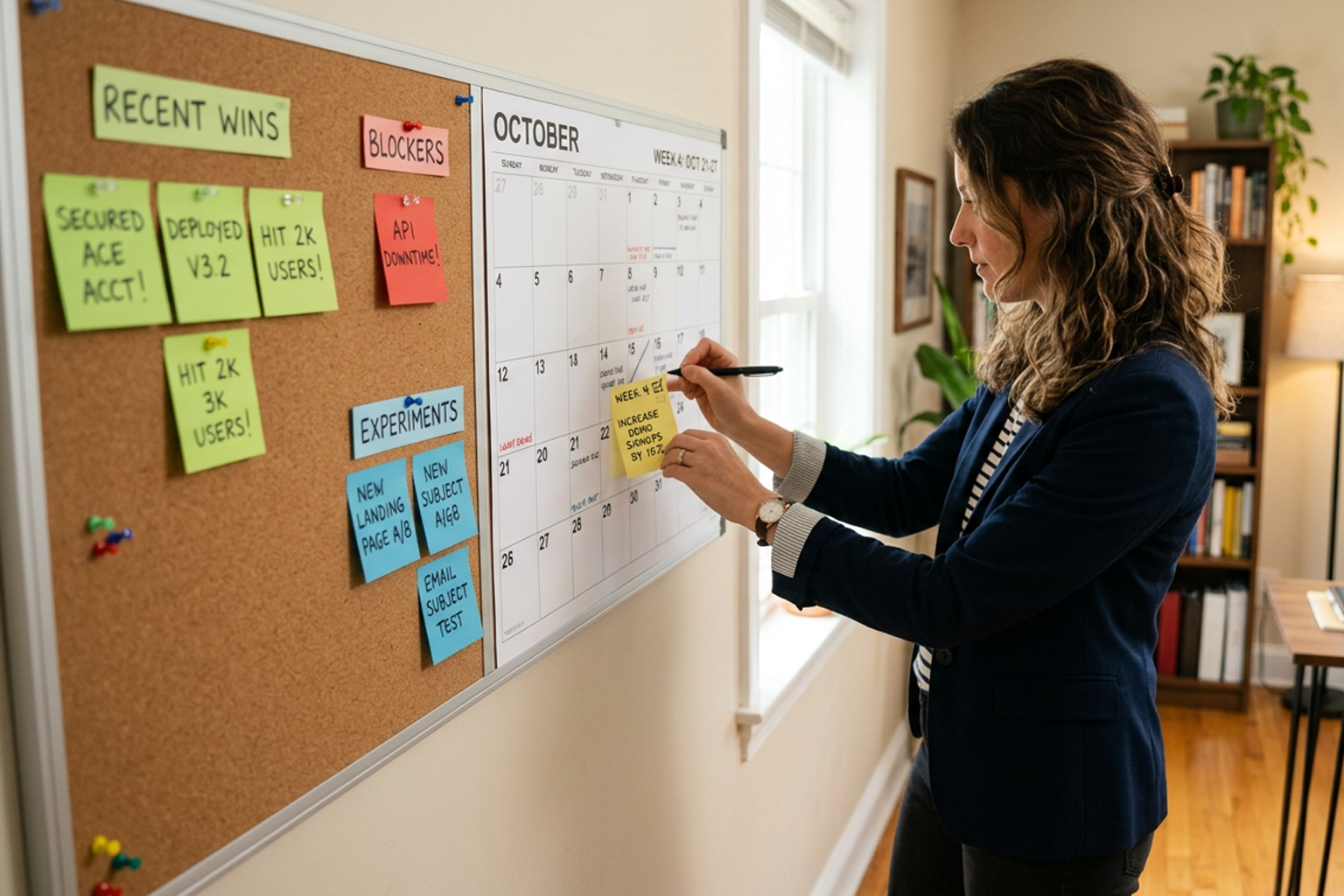
Choose a consistent time each week—a 45 to 60 minute block works well—to reflect on accomplishments, obstacles, and priorities for the coming week. Use a simple template that captures three wins, one blocker, learning needs, and a single measurable objective you can complete next week. Review progress against your broader quarterly goals and note any unexpected opportunities or patterns that emerged. Over several weeks this practice surfaces trends and prevents recurring mistakes from being repeated. The ritual converts vague intentions into concrete actions and helps reduce decision fatigue in busy periods.
- Capture three wins from the past week and why they mattered.
- Identify one blocker and define a short experiment to address it.
- Choose a single, measurable goal to complete before the next review.
Keep the review brief and consistent so it becomes sustainable rather than burdensome. Track outcomes in a simple log or document to compare progress month to month. After a quarter, use the notes to adjust priorities and realign with the skills that matter most.
Block Time for High-Impact Skill Work
Treat focused skill development as nonnegotiable meetings by scheduling recurring calendar blocks and honoring them like appointments. Reserve at least two dedicated sessions each week for project-based learning, portfolio work, or deliberate practice that maps to your career goals. Protect these blocks by setting calendar statuses, turning off notifications, and communicating boundaries to colleagues when necessary. Over months, protected hours compound into real expertise and demonstrable outputs that hiring managers and leaders can evaluate. Consistent focus time also builds a habit of deep work that supports complex problem solving and creative thinking.
Define specific outcomes for each session, such as a draft deliverable, a learning checkpoint, or a code review. Pair sessions with short retrospectives so you adjust techniques that reduce friction. Make the blocks visible and repeatable so they survive busy spells.
Use Micro-Experiments to Test Choices
When evaluating a potential role, responsibility, or new skill, run short micro-experiments to gather real-world data before committing to a full pivot. Examples include a one-week side project, targeted freelance gig, or a series of informational interviews that simulate the work you expect to do. These trials help you test interest, required effort, and market demand while generating artifacts you can showcase. Making decisions based on evidence reduces risk and clarifies whether a path deserves more investment. Micro-experiments also reveal transferable elements you can incorporate into your current role immediately.
- Write a one-sentence hypothesis about the skill or role you want to test.
- Run a time-boxed trial that produces a tangible outcome within one or two weeks.
- Evaluate the result against criteria like enjoyment, impact, and marketability.
Treat each experiment as learning, not a final verdict, and iterate quickly based on what you discover. Capture the artifacts and insights to inform conversations with managers or recruiters. Use that evidence to make more confident, lower-risk career moves.
Conclusion
Simple weekly rituals sharpen your focus and produce steady career progress when repeated consistently. Consistency and evidence-based experiments matter more than sporadic intensity or guesswork. Start this week, track results, and refine your rituals after a few cycles to build meaningful momentum.