






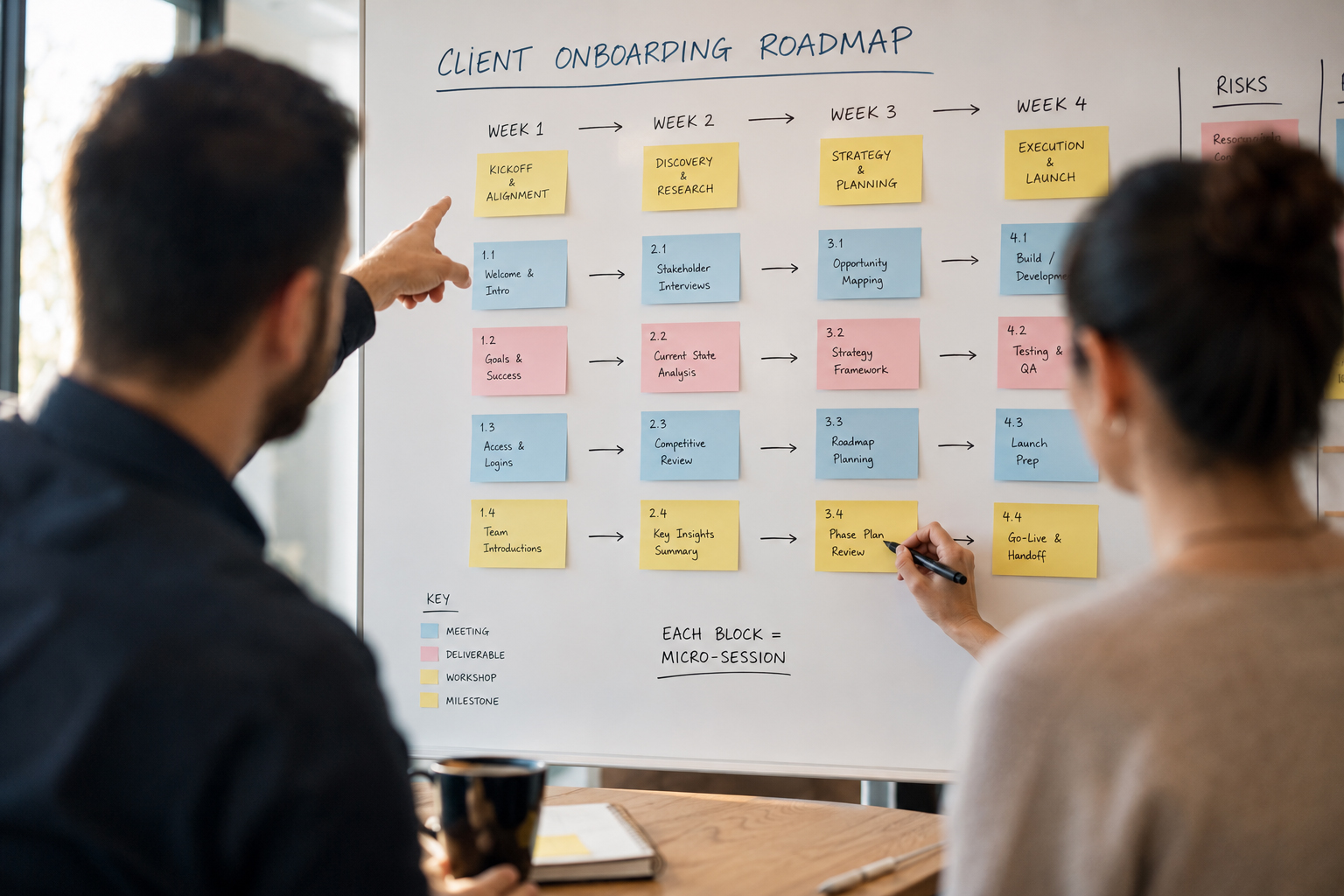
Structuring onboarding into short, focused micro-sessions helps new hires integrate faster and stay focused. By breaking information into manageable chunks, managers reduce overwhelm and create predictable learning milestones. Micro-sessions emphasize immediate applicability, so newcomers can contribute sooner and feel competent. This approach also supports team rhythm and clarifies expectations early on.
Adopting this model requires planning and a commitment to iterative improvement. Managers who standardize short sessions can scale consistent experiences across roles.
Why short onboarding sessions work
Short onboarding sessions align with how adults learn and retain new information. Instead of front-loading days of meetings, micro-sessions space learning across the first weeks to reinforce memory and context. They also make it easier for managers to prioritize what a new team member truly needs to know right away. The result is clearer pathways to early wins and less wasted time.
- Lower cognitive load for new hires.
- Faster competency for core tasks.
- Improved engagement and retention.
These benefits make micro-sessions a practical alternative to traditional onboarding. Teams that adopt this model tend to see quicker productivity ramps.
Designing the micro-session roadmap
Start by mapping the first 30 to 60 days and identifying critical milestones for role performance. Define three to six micro-sessions, each focused on a single outcome such as tools, processes, or stakeholder relationships. Keep sessions short—20 to 45 minutes—and attach clear prework and post-session actions. Align content with immediate tasks so new hires can practice and apply what they learn.
- Session 1: Essentials and access.
- Session 2: Priority workflows.
- Session 3: Quick collaborative projects.
A well-structured roadmap provides clarity for both manager and new hire. It also creates natural checkpoints for feedback and adjustment.
Facilitating sessions for engagement
Adopt an interactive, mentor-led style rather than a lecture. Use real examples and short exercises that mirror day-to-day work to make sessions practical and memorable. Encourage questions and schedule brief follow-ups to address gaps and reinforce behavior. Pairing micro-sessions with a buddy system can also accelerate social integration.
Active facilitation sustains attention and builds confidence. Small wins after each session compound into reliable competence.
Measuring impact and iterating
Track simple indicators to know whether the micro-sessions are working: time-to-first-task completion, confidence ratings, and early feedback from peers. Collect feedback after each session and at key milestones to identify content gaps or pacing issues. Use metrics to refine topics, timing, and the balance between instruction and practice. Continuous iteration ensures the program stays relevant as roles evolve.
- Time-to-first-task completion.
- Session satisfaction scores.
- Peer feedback on handoffs.
Regular review turns onboarding into a living process rather than a one-time event. Managers who iterate intentionally create smoother integrations over time.
Conclusion
Micro-sessions offer a structured, scalable way to onboard new team members while minimizing overwhelm. When designed around clear outcomes, short sessions accelerate contribution and build confidence. Start small, measure impact, and refine the roadmap to align onboarding with real work.