



Turning ambition into progress requires a practical plan and steady habits. Many professionals have clear long-term aims but struggle to make consistent short-term progress. This article outlines a step-by-step approach to convert career intentions into measurable milestones and daily actions. Use these methods to create momentum while preserving flexibility.
Clarify Your Direction
Begin by defining what success looks like for you: responsibilities, level of influence, and types of work that energize you. Break down broad ambitions into specific roles, skill sets, or responsibilities that make those goals tangible. Assess your current strengths and gaps with honest feedback, assessments, or a simple skills inventory. Clarifying the destination makes it easier to build a realistic route.
Set a small number of priority outcomes to focus on over the next six to twelve months and record them. These priorities become the foundation for measurable milestones.
Translate Goals into Milestones
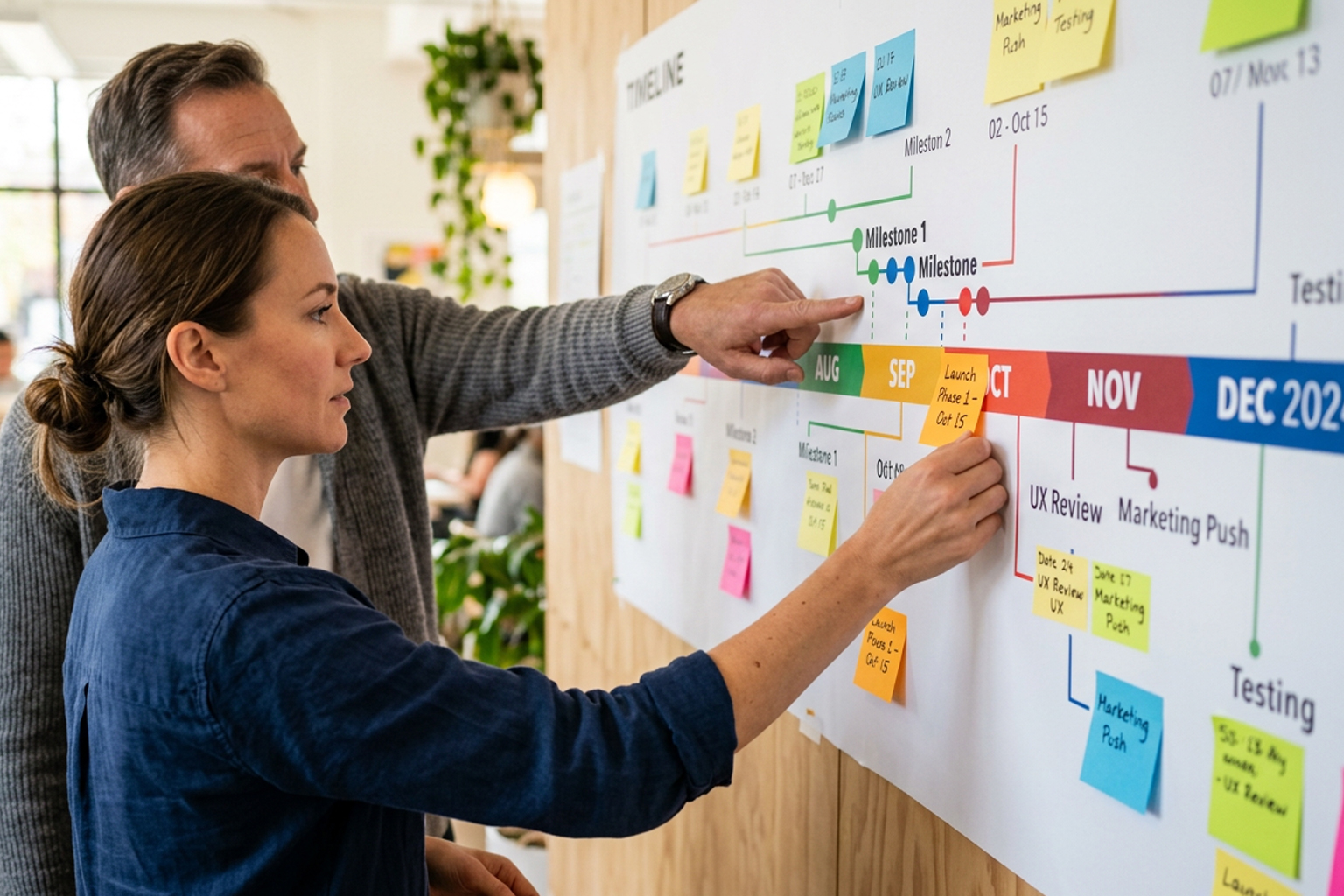
Translate each priority outcome into a sequence of milestones that are time-bound and testable. Milestones can range from completing a course to leading a project or achieving a measurable performance metric. Assign realistic timelines and identify the dependencies that could block progress. This framing helps you celebrate incremental wins and maintain forward momentum.
- Short-term: skills to learn in one to three months.
- Mid-term: projects or responsibilities to assume within three to twelve months.
- Long-term: role changes or leadership goals to pursue over one to three years.
Use a simple tracking tool such as a calendar, task manager, or spreadsheet to monitor milestone completion. Reassess timelines monthly and adjust as priorities evolve.
Build Habits and Skills
Habits bridge the gap between milestones and outcomes. Commit to weekly routines that allocate focused time for skill improvement, networking, and reflection. Combine deliberate practice with low-friction actions like 30-minute learning blocks or short informational interviews. Over time, these routines compound into discernible skill advancement.
- Schedule two 30-minute learning sessions per week.
- Conduct one outreach or mentoring conversation monthly.
- Document lessons learned after every project.
Prioritize consistency over intensity and reduce friction around starting work. Small, repeated actions are more sustainable than sporadic bursts.
Review and Adapt
Regular review ensures your plan remains aligned with changing circumstances and emerging opportunities. Conduct weekly check-ins to confirm tactical progress and monthly reviews to evaluate milestone relevance. Solicit feedback from peers or mentors to expose blind spots and refine priorities. When a milestone becomes irrelevant, reallocate energy rather than forcing completion.
Adaptation keeps your roadmap realistic and motivating. Treat revisions as learning rather than failure.
Conclusion
A sustainable career plan balances clarity, measurable milestones, and steady habits. Focus on repeatable processes that translate ambitions into everyday actions. With regular review and small wins, professional progress becomes predictable rather than accidental.