





Introduction
A resume that gets read is different from one that simply exists. Small choices decide whether a recruiter skims or studies your file. This piece offers practical, actionable resume tips you can apply today. You will learn how to highlight relevant experience, format for quick scanning, and avoid simple mistakes. Clear language and clean structure turn a resume into an opportunity.
Start with a sharp professional summary
Open with a concise summary that states what you do and what you bring to the role in one or two lines. Focus on outcomes and the few skills most relevant to the position, not a long career history. Use active language and quantify results where possible to make achievements tangible. Keep jargon minimal so someone in HR and a hiring manager both understand your value.
Think of the summary as your headline: it sets expectations and invites further reading. Update it for each application so it aligns with the employer’s needs.
Match skills to the job listing
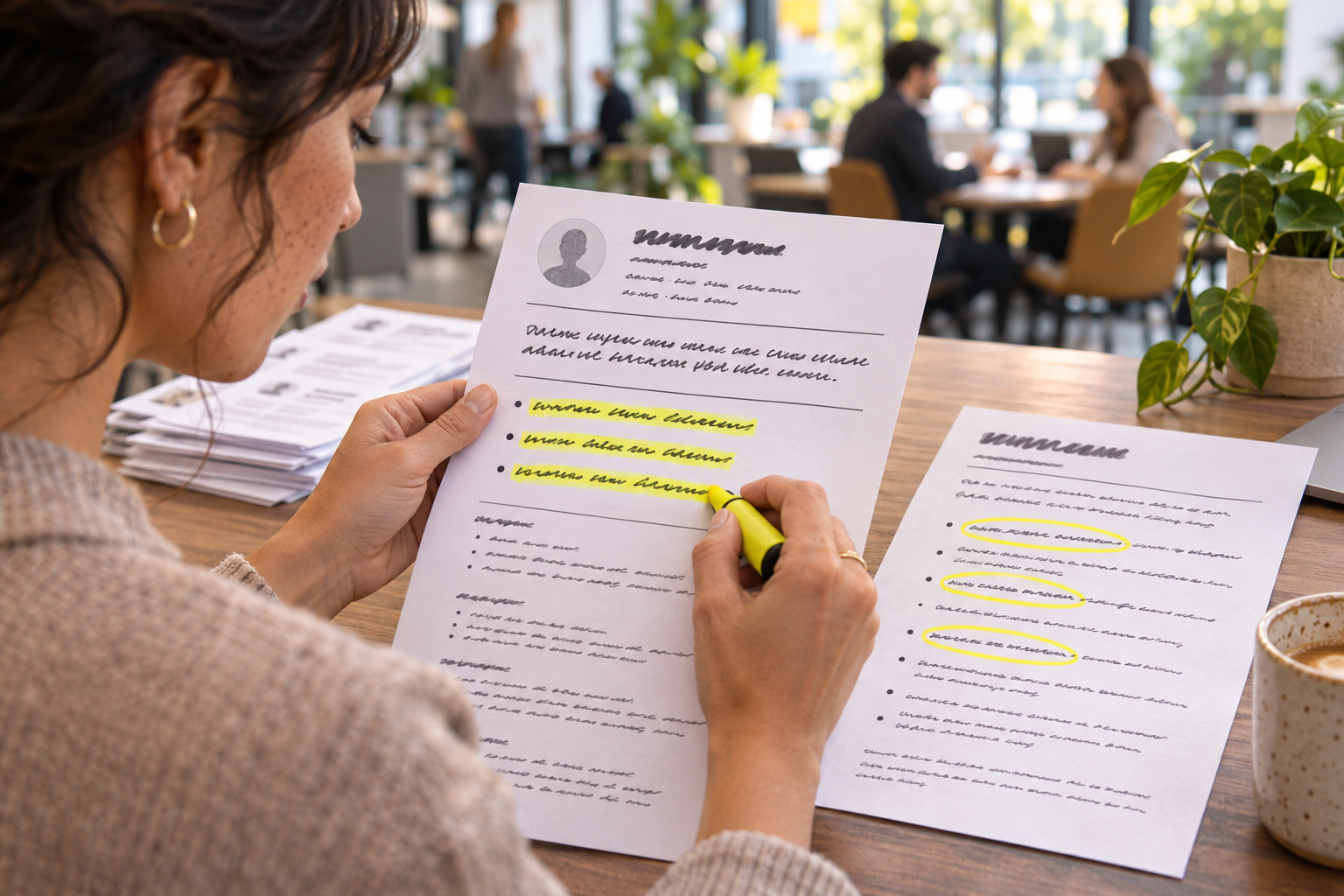
Scan the job description and mirror key phrases where they genuinely apply to your background. Prioritize the top three to five skills the listing emphasizes and show them in context—through accomplishments rather than a bare list. Use the same terminology the employer uses when it accurately reflects your experience. This helps applicant tracking systems and busy reviewers spot the fit quickly.
Be honest but strategic: include experiences that demonstrate competency, even if the job title differs. Tailoring only takes a few focused edits but raises your chances significantly.
Make layout work for quick scanning
Design matters because recruiters often spend seconds on a first pass. Use clear section headers, consistent fonts, and white space to separate ideas; avoid dense blocks of text that fatigue the eye. Place your most relevant information near the top and keep bullet points short and outcome-centered. Maintain a single-column layout for readability on screens and print.
- Header with name and contact info
- Summary and key skills
- Recent roles with 3–5 accomplishment bullets each
A tidy layout increases comprehension and makes it easier for a reviewer to connect your experience to the job. Small visual decisions save time for the person assessing your resume.
Polish every detail
Proofread carefully for typos, inconsistent dates, and formatting slips—errors undermine credibility quickly. Optimize file names and export as PDF unless the employer requests another format, and ensure your contact info is current. Ask a fresh pair of eyes to catch things you might miss; even short resumes benefit from external review. Keep version control so each application gets the tailored file it deserves.
Presentation and accuracy signal professionalism and respect for the reviewer’s time. Final checks are often the difference between a pass and a call back.
Conclusion
Focus your resume on relevance, clarity, and measurable results. Small edits tailored to each job make a big difference in visibility. Put structure and polish first, and the content will get the attention it deserves.